Tuesday, 31 March 2020

MOST ASKED QUESTIONS ON COVID-19, FACTS AND ANSWERS


Q & A on COVID-19


2. Where do coronaviruses come from?

Coronaviruses are viruses that circulate among animals with some of them also known to infect humans.
Bats are considered as natural hosts of these viruses yet several other species of animals are also known to be a source. For instance, the Middle East Respiratory Syndrome Coronavirus (MERS-CoV) is transmitted to humans from camels, and the Severe Acute Respiratory Syndrome Coronavirus-1 (SARS-CoV-1) is transmitted to humans from civet cats. More information on coronaviruses can be found on the ECDC factsheet.

Factsheet for health professionals on Coronaviruses

3. Is this virus comparable to SARS or to the seasonal flu?

The novel coronavirus detected in China is genetically closely related to the SARS-CoV-1 virus. SARS emerged at the end of 2002 in China, and it caused more than 8 000 cases in 33 countries over a period of eight months. Around one in ten of the people who developed SARS died.
The current COVID-19 outbreak caused around 7 000 reported cases in China during the first month after initial reports (January 2020), with a further 80 000 cases reported globally during the second month (February 2020). Of these first 87 000 cases, about 3 000 died. Cases are now being detected in Europe and across the globe. See the situation updates for the latest available information. 
While the viruses that cause both COVID-19 and seasonal influenza are transmitted from person-to-person and may cause similar symptoms, the two viruses are very different and do not behave in the same way. ECDC estimates that between 15 000 and 75 000 people die prematurely due to causes associated with seasonal influenza each year in the EU, the UK, Norway, Iceland and Liechtenstein. This is approximately 1 in every 1 000 people who are infected. By comparison, the current estimated mortality rate for COVID-19 is 20-30 per 1 000 people.
Despite the relatively low mortality rate for seasonal influenza, many people die from the disease due to the large number of people who contract it each year. The concern about COVID-19 is that, unlike influenza, there is no vaccine and no specific treatment for the disease. It also appears to be as transmissible as influenza if not more so. As it is a new virus, nobody has prior immunity which in theory means that the entire human population is potentially susceptible to COVID-19 infection.

Situation update for the EU/EEA and the UK, as of 30 March 2020


Situation update worldwide, as of 30 March 2020

4. How severe is COVID-19 infection?  

Preliminary findings indicate that the mortality rate for COVID-19 is 20-30 per thousand people diagnosed. This is significantly less than the 2003 SARS outbreak. However, it is much higher than the mortality rate for seasonal influenza.

5. What is the mode of transmission? How (easily) does it spread?

While animals are the original source of the virus, it is now spreading from person to person (human-to-human transmission). There is not enough epidemiological information at this time to determine how easily and sustainably this virus spreads between people, but it is currently estimated that, on average, one infected person will infect between two and three more. The virus seems to be transmitted mainly via respiratory droplets that people sneeze, cough, or exhale. The virus can also survive for several hours on surfaces such as tables and door handles.
The incubation period for COVID-19 (i.e. the time between exposure to the virus and onset of symptoms) is currently estimated at between two and 14 days. At this stage, we know that the virus can be transmitted when people who are infected show flu-like symptoms such as coughing.  There is evidence suggesting that transmission can occur from an infected person with no symptoms; however, uncertainties remain about the effect of transmission by non symptomatic persons on the epidemic.

Medical information

1. What are the symptoms of COVID-19 infection

The virus can cause mild, flu-like symptoms such as:
  • fever
  • cough
  • difficulty breathing
  • muscle pain
  • tiredness
More serious cases develop severe pneumonia, acute respiratory distress syndrome, sepsis and septic shock that can lead to death. 

2. Are some people more at risk than others?

Generally elderly people and those with underlying health conditions (e.g. hypertension, diabetes, cardiovascular disease, chronic respiratory disease and cancer) are considered to be more at risk of developing severe symptoms.

3. Are children also at risk of infection?

Disease in children appears to be relatively rare and mild. A large study from China suggested that just over 2% of cases were under 18 years of age. Of these, fewer than 3% developed severe or critical disease.

4. What about pregnant women?

There is limited scientific evidence on the severity of illness in pregnant women after COVID-19 infection. That said, current evidence suggests that severity of illness among pregnant women after COVID-19 infection is similar to that in non-pregnant adult COVID-19 cases, and there is no data that suggests infection with COVID-19 during pregnancy has a negative effect on the foetus. At present, there is no evidence of transmission of COVID-19 from mother to baby occurring during pregnancy. ECDC will continue to monitor the emerging scientific literature on this question, and suggests that all pregnant women follow the same precautions for the prevention of COVID-19, including regular handwashing, avoiding individuals who are sick, and self-isolating in case of any symptoms, while consulting a healthcare provider by telephone for advice.

5. Is there a treatment for the COVID-19 disease?

There is no specific treatment for this disease, so healthcare providers treat the clinical symptoms (e.g. fever, difficulty breathing) of patients. Supportive care (e.g. fluid management, oxygen therapy etc.) can be highly effective for patients with symptoms.

6. When should I be tested for COVID-19?

Current advice for testing depends on the stage of the outbreak in the country or area where you live. Countries across the EU/EEA might be in different scenarios, even within the same country, and testing approaches will be adapted to the situation at national and local level.
National authorities may decide to only test subgroups of suspected cases based on the national capacity to test, the availability of necessary equipment for testing, the level of community transmission of COVID-19, or any other criteria. As a rational approach, national authorities may consider prioritising testing in the following groups:
  • hospitalised patients with severe respiratory infections;
  • cases with acute respiratory infections in hospital or long-term care facilities;
  • patients with acute respiratory infections or influenza-like illness in certain outpatient clinics or hospitals in order to assess the extent of virus circulation in the population;
  • elderly people with underlying chronic medical conditions such as lung disease, cancer, heart failure, cerebrovascular disease, renal disease, liver disease, diabetes, and immunocompromising conditions

7. Where can I get tested?

If you are feeling ill with COVID-19 symptoms (such as fever, cough, difficulty breathing, muscle pain or tiredness) it is recommended that you contact healthcare services by telephone or online. If your healthcare provider believes there is a need for a laboratory test for the virus that causes COVID-19, he/she will inform you of the procedure to follow and advise where and how the test can be performed.

Prevention

1. How can I avoid getting infected?

The virus enters your body via your eyes, nose and/or mouth, so it is important to avoid touching your face with unwashed hands.
Washing of hands with soap and water for at least 20 seconds, or cleaning hands with alcohol-based solutions, gels or tissues is recommended in all settings.
It is also recommended to stay 1 metre or more away from people infected with COVID-19 who are showing symptoms, to reduce the risk of infection through respiratory droplets.

2. What should I do if I have had close contact with someone who has COVID-19?

Notify public health authorities in your area who will provide guidance on further steps to take. If you develop any symptoms, you should immediately call your healthcare provider for advice, mentioning that you have been in contact with someone with COVID-19.

3. Are face masks effective in protecting against COVID-19?

If you are infected, the use of surgical face masks may reduce the risk of you infecting other people, but there is no evidence that face masks will effectively prevent you from being infected with the virus. In fact, it is possible that the use of face masks may even increase the risk of infection due to a false sense of security and increased contact between hands, mouth and eyes.

4. Is there a vaccine against the virus? How long will it take to develop a vaccine?

There are currently no vaccines against human coronaviruses, including the virus that causes COVID-19. This is why it is very important to prevent infection and to contain further spread of the virus.
The development of vaccines takes time. Several pharmaceutical companies are working on vaccine candidates. It will, however, take months or years before any vaccine can be widely used, as it needs to undergo extensive testing to determine its safety and efficacy.  

5. Am I protected against COVID-19 if I had the influenza vaccine this year?

Influenza and the virus that causes COVID-19 are two very different viruses and the seasonal influenza vaccine will not protect against COVID-19.  

What is the current situation in the EU regarding COVID-19?

1. How prepared is Europe for COVID-19 and what is the EU doing?

The European Centre for Disease Prevention and Control (ECDC) is in continuous contact with the European Commission and the World Health Organization regarding the assessment of this outbreak. To inform the European Commission and the public health authorities in Member States of the ongoing situation, ECDC publishes daily summaries and continuously assesses the risk for EU citizens. ECDC and WHO have developed technical guidance to support the EU Member States in their response. The European Commission is ensuring the coordination of risk management activities at EU level.


2. Am I at risk of contracting COVID-19 infection in the EU?

This outbreak is evolving rapidly and the risk assessment is changing accordingly. ECDC is continuously assessing the risk for EU citizens and you can find the latest information in the daily updated ECDC risk assessment.

3. How many people have been infected in the EU/EEA?

See the ECDC daily situation update for the latest available information. Given the extensive movement of people and the fact that the virus is transmitted from person to person, further cases are expected in Europe.

4. How long will this outbreak last?

Unfortunately, it is not possible to predict how long the outbreak will last and how the epidemic will unfold. We are dealing with a new virus and therefore a lot of uncertainty remains. For instance, it is not known whether transmission within the EU/EEA will naturally decrease during the northern hemisphere summer, as is observed for seasonal influenza.

5. Should schools and day centres be closed?

The evidence we have to date indicates that COVID-19 does not affect children nearly as much as it affects adults. However, the extent to which children play a role in the transmission of the virus is still unknown. Due to this uncertainty, it is especially important to encourage children to wash their hands carefully to reduce any possible risk of them becoming infected themselves, and then of passing on the virus. If children do become ill, they should be strictly isolated at home.
Depending on local circumstances, local authorities may decide to temporarily close schools and daycare centres to reduce transmission. Wherever this happens, it is important that parents and caregivers are supported, for example by their employers, so they can stay at home and take care of their children.

Information for travellers

1. What precautions should I take if I am visiting an area of local or community transmission?

Travellers visiting areas of local or community COVID-19 transmission should adhere to strict hygiene measures, wash hands with soap and water regularly, and/or use alcohol-based hand sanitisers. Touching the face with unwashed hands should be avoided. Travellers should avoid contact with sick persons, in particular those with respiratory symptoms and fever. It should be emphasised that older people and those with underlying health conditions should take these precautionary measures very seriously.

2. What if I have recently been in an area of local or community transmission?

Travellers returning from areas of local or community transmission should monitor their health for 14 days. People with symptoms should contact their healthcare specialist via telephone first, and indicate their exposure and travel history before seeking medical attention in person. Symptomatic people should avoid contact with others until they have received advice from a healthcare specialist.
Read more

3. What is the risk of infection when travelling by plane?

If it is established that a COVID-19 case has been on an airplane, other passengers who were at risk (as defined by how near they were seated to the infected passenger) will be contacted by public health authorities. Should you have questions about a flight you have taken, please contact your local health authority for advice. The risk of being infected on an airplane cannot be excluded, but is currently considered to be low for an individual traveller. The risk of being infected in an airport is similar to that of any other place where many people gather.

4. Why are people not being checked for COVID-19 at the airport when arriving from areas of local or community transmission?

There is evidence that checking people at the airport (known as entry screening) is not very effective in preventing the spread of the virus, especially when people do not have symptoms. It is generally considered more useful to provide those arriving at airports with clear information explaining what to do if they develop symptoms after arrival.

5. Where can I learn more?

Each EU/EEA country may issue specific advice to travellers to areas with local or community transmission of COVID-19. Consult your local health authority or the Ministry of Foreign Affairs to get advice tailored for residents in your setting. 
For an updated list of areas of presumed community transmission, please refer to WHO situation reports for country classification.
Read more

COVID-19 and animals and food products

1. What is the risk of COVID-19 infection from animals or animal products imported from affected areas?

There is no evidence that any of the animals or animal products authorised for entry into the European Union pose a risk to the health of EU citizens as a result of the presence of COVID-19.

2. What is the risk of COVID-19 infection from food products imported from affected areas?

There has been no report of transmission of COVID-19 via food and therefore there is no evidence that food items imported into the European Union in accordance with the applicable animal and public health regulations pose a risk for the health of EU citizens in relation to COVID-19. The main mode of transmission is from person to person.

3. What is the risk of COVID-19 infection from contact with pets and other animals in the EU?

Current research links COVID-19 to certain types of bat as the original source, but does not exclude the involvement of other animals. Several types of coronaviruses can infect animals and can be transmitted to other animals and people. There is no evidence that companion animals (e.g. dogs or cats) pose a risk of infection to humans. As a general precaution, it is always wise to observe basic principles of hygiene when in contact with animals.

COVID-19 and packages

1. What is the risk of getting COVID-19 from packages delivered through the postal system?

A recent study published by The New England Journal of Medicine (NEJM) reported that the causal agent of COVID-19 (SARS-CoV-2) is able to persist for up to 24 hours on cardboard, in experimental settings (e.g. controlled relative humidity and temperature). There is no evidence of the infection being transmitted through contaminated packages that have been exposed to different environmental conditions and temperatures.

2. Are people working in the supply chain including logistics, control services, retail, etc. at risk of getting COVID-19 by handling packages? What measures can be taken to reduce the risk of getting infected in this type of work setting?

People working in the supply chain, including logistics, control services, retail, etc. are not at greater risk to of getting COVID-19 as a result of managing packages. ECDC does not recommend any special measures at supply chain level over and above those addressed to the general public: frequent and thorough hand washing and use of alcohol-based hand disinfectants, keeping a distance from other employees, and not working if showing signs of respiratory symptoms.

3. Are couriers at risk of getting COVID-19 by handling packages? What measures can be taken to reduce the risk of getting infected in this type of work setting?

People working as couriers are not at greater risk of getting COVID-19 as a result of managing packages. Couriers delivering packages at homes are advised to keep a distance from the customer, use alcohol-based hand disinfectant frequently (and always before and after contact with a customer) and avoid working if showing signs of respiratory symptoms.


Thursday, 4 October 2018

Amazing Benefits Of Lemon Peels- Faida kuu za maganda ya limao


Not many of us know about the health benefits and nutrition value of lemon peels. So, before throwing the lemon peel away after squeezing the lemon juice or using it in any salad etc., think twice because even lemon peels are very beneficial.
Benefits of Lemon Peels
Let’s look at a few well known benefits of Lemon peel:

1. Improves Bone Health

Lemon peels help in improving bone health. It contains a high amount of calcium and vitamin C, which help in maintaining and improving the health of bones. Lemon peel also helps in preventing bone related diseases likes osteoporosis, rheumatoid arthritis and inflammatory polyarthritis.

2. Treats Oxidative Stress

They helps in reducing oxidative stress. Lemon peels have high amounts of citrus bio-flavonoids, which are a very powerful source for the reduction of Oxidative stress from your body.

3. Eradicates Toxins:

There are toxic elements present in our body which not only make us weak from within but also increase the addiction to hard drinks and other harmful eatables. Lemon peels, because of its citrus bioflavonoids content, help in eradicating these toxic elements present in our body.

4. Fights Cancer:

Hardly people know, but Lemon peels are also used in the prevention and treatment of cancer. It contains salvestrol Q40 and limonene, which help in fighting the cancerous cells present in the body.

5. Reduces Cholesterol:

These are also helpful in decreasing the cholesterol levels in the body which results in maintaining good health of our hearts. This is due to the presence of polyphenol flavonoids in lemon peels.

6. Prevents Heart Related Conditions:

The presence of potassium in lemon peels help in maintaining the right blood pressure in our body. And in addition to this, lemon peels also help in prevention of heart diseases, heart attacks and diabetes.

7. Maintains Oral Health & Hygiene:

Lemon peels are also great for oral health and hygiene. Vitamin C deficiency results in teeth related problems like bleeding gums, scurvy and gingivitis. Lemon peels are rich in citric acid which helps in covering up for the deficiency of vitamin C and helps in fighting these known teeth and gum related problems.

8. Promotes Weight Loss:

Lemon peels helps in promotion of weight loss. They contain a component known as Pectin, which is responsible for the promotion of weight loss in the body.

9. Fight Skin Related Conditions:

Lemon peels help in preventing and fighting skin problems such as wrinkles, acne, pigmentation and dark spots. The free radicals play a very important role in this process. These are also rich in antioxidants which tend to detoxify the skin to a very great extent.

10. Other Health Benefits:

There are also other health benefits of lemon peels like – cleansing the liver, strengthening capillaries, curing ear infections, improving blood circulation, reducing muscle contractions, prevention of strokes, etc.

Best Way to Eat Lemon Peels:

Let me now suggest the best way to eat lemon peels. You just need to keep lemons in the freezer till they freeze. Then Grate them. Now you can add these crumbs to your salad, tea or you can also you can eat it directly by coating with some sugar. This is the best way to get both the taste and health benefits from lemon peels.

Nutritional Value of Lemon Peels:

Nutritional Value of Lemon Peels

According to the USDA National Nutrient Database for Standard Reference,
  • Every 100 g portion of lemon peel contains 134 mg of calcium.
  • Each 100 g of peel has 160mg of Potassium minerals.
  • It contains 129 mg of Vitamin C per each 100 g portion
  • For every 100gm of Portion, it has 10.6 g of Fiber.
So, now that you know the lemon peel uses, .

Thursday, 17 May 2018

ENERGY DRINKS KILLS, AVOID IT IMEDIATELLY!!! HATARI, EPUKA ENERGY DRINK ZINAUA!!!!


What Killed This Man, Many Of Us Drink Every Day


Providr
Dean Wharmby was a professional bodybuilder that lived an unhealthy life according to many. He would need to constantly consume at least 10,000 calories per day to keep his muscle mass; this included numerous meals of fast food and energy drinks. Before he passed away, Wharmby blamed his liver cancer on this deadly combination of food and drink, according to the Daily Mail.

LOVE AND DATING ZONE Energy drinks are one of the most popular beverages sold all over the world. They give us an immediate boost when we need it and can often keep us focused as well. For Dean, he would consume two energy drinks every hour while he was working out. A WHO study reported that there are a number of short and long-term side effects that come with drinking beverages with a high caffeine content. These side effects include caffeine overdose, type 2 diabetes and poor dental health, according to the National Health Service of the UK.

LOVE AND DATING ZONE Unfortunately, we are not told about the hidden, unhealthy secrets that come with consuming an energy drink. The good news is that consumers are becoming savvier.

The energy drinks that Dean would consume seemed to work at the beginning, he was extremely focused and awake which was needed with the way he trained in the gym. Unfortunately, things turned out bad for Dean, he was diagnosed with cancer, but this enabled him to get rid of his bad habits.


LOVE AND DATING ZONE Once the tumor began to shrink and disappear, Dean picked up his bad habits again, which included consuming many energy drinks a day. You think he would learn, but he didn’t, and because of this doctors diagnosed him with liver cancer for a second time. According to the Daily Mail, the doctors told Dean that his bad habits, including the energy drinks, are what destroyed his liver and created cancer cells.
Elisanth/shutterstock.com
Unfortunately, Dean was unable to treat or beat the cancer this time and he passed away. He left behind his wife and daughter. Remember, excessive energy drink consumption paired with a poor diet might have played a part in the death of this man, and it could happen to us.


The story of Dean is a tragic one, but it does open the doors to discussion and information about energy drinks that we may not know about. Take the ingredient Niacin, for example. Many energy drinks contain it and, according to a study published by the British Journal of Medicine in 2016, it can cause severe damage to the liver. In some cases, it has even caused the liver to fail. An average energy drink could contain up to 40mg of Niacin.
HstrongART/shutterstock.com

Click on the ‘Next Page’ to continue the story and don’t forget to SHARE this with your friends on Facebook.

Monday, 10 October 2016

DOCTORS WARNING: Stop Feeding Your Kids Hotdogs Right Away


DOCTORS: STOP FEEDING YOUR KIDS HOT DOGS IMMEDIATELY
Research has shown that kids who consume over 12 hot dogs per month are about 9 times more susceptible to contracting leukemia.
Studies have now also shown that pregnant women who eat a single hot dog per week are likely to give birth to a child that will develop a brain tumor.

What is the problem?
Nitrites and nitrates are used as preservatives in cured meats such as bacon, salami, sausages and hot dogs. Nitrites, which can form from nitrates, react with naturally occurring components of protein called amines. This reaction can form nitrosamines, which are known cancer-causing compounds. Nitrosamines can form in nitrite or nitrate-treated meat or in the digestive tract.
Studies have linked nitrites to stomach cancer (IARC 2010). Some data also suggest an association with cancer of the esophagus; one study showed an increased risk in people who eat cured meats more often (Rogers 1995; Mayne 2001).
There is also evidence that nitrites may be associated with brain and thyroid cancers, but a causal link has not been established (Preston-Martin 1996; Pogoda 2001; Aschebrook-Kilfoy 2013; IARC 2010).
In 2010, scientists at the World Health Organization’s International Agency for Research on Cancer declared that ingested nitrites and nitrates are probable human carcinogens.
The California Office of Environmental Health Hazard Assessment is currently considering listing nitrite in combination with amines or amides as a known carcinogen.
Some nutritious foods such as spinach and other leafy vegetables are naturally high in nitrates, but human studies on nitrate intake from vegetables have found either no association with stomach cancer or a decreased risk (IARC 2010).

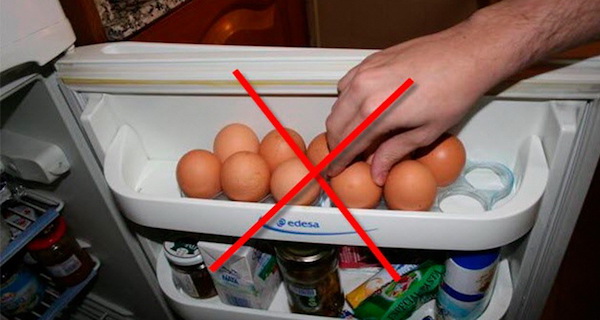
Very Important Reason Why You Should Never Keep Eggs In The Refrigerator. Your Health Is In Danger


For This Reason You Should Never Keep Eggs In The Refrigerator. Your Health Is In Danger
You probably know that some people keep eggs in the refrigerator ignoring the danger to their health and the health of their family, but you probably didn’t know that keeping the eggs in cold areas contributes to the bacteria that contaminate the shell to stay alive. These bacteria include Salmonella, which is very harmful to our health.
According to several studies, the eggs kept at room temperature contained a lower percentage of bacteria than those that were kept in the refrigerator. This is due to the fact that the eggs become contaminated when the hen puts and once they’re lead to refrigerator, bacteria are preserved.
Salmonella tends to multiply rapidly when it’s in cold places contaminating everything in the refrigerator.
In some European countries, it is forbidden to store eggs in the refrigerator. There are even penalties for those who keep eggs in cold places. In the U.S. A. people can store eggs whatever way they like, but they are advised not to store them in cold areas.

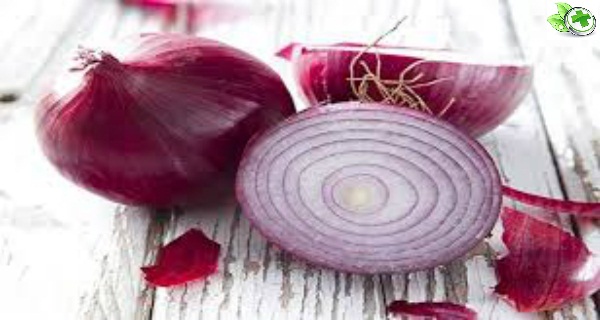
You Should Eat More Red Onions: It Protects The Heart, Stops Nose Bleeds And Kills Cancer Cells


EAT MORE RED ONION: IT KILLS CANCER CELLS, STOPS NOSE BLEEDS, PROTECTS THE HEART
Red onion: some love it, some hate it because of the smell. However, its health effects are amazing! It should be eaten raw, because cooking it kills its abilities.
There are a lot of combinations with red onion, and you can also eat it as a side dish for lunch. Here are 7 reason why red onion will be good for your health.

Stops cancer cell growth

Onion is full of sulfur compounds that protect the body from ulcers and various cancers. They will also fight bacteria in the urinary tract.
Controls diabetes

Raw onions increase the production of insulin. If you’re diabetic, eat raw fresh onions. Cures constipation
The fibers in onion will help with constipation. They force the toxins out of your intestines.
Help with sore throat Onion juice is traditionally used with great results against colds and sore throat.

Nose bleeds

Red onions can stop the bleeding from the nose. You can also smell them, as that helps with nosebleeds too.
Protects the heart
Onion protect from coronary disease and control high blood pressure.
Controls cholesterol levels

Raw onions control the cholesterol levels and lower the bad cholesterol (LDL).

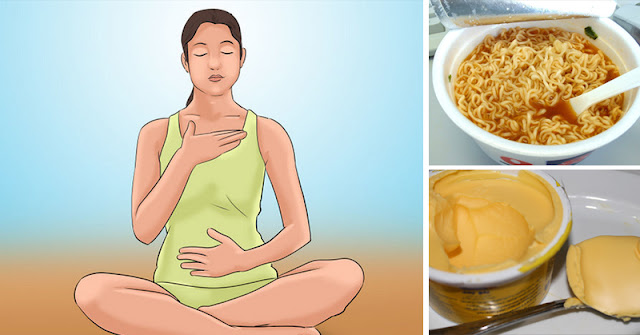
If You Have Heart Problems And High Blood Pressure, You Must Avoid These 14 Foods At All Costs!


Do You Have High Blood Pressure Or Heart Problems Avoid These 14 Foods at All Costs!
Nutrition can become the leading cause of coronary diseases, thus proper diet is a must if you wish to obtain excellent health. Low-quality foods can significantly damage the heart and impair the blood circulation vessels.
Consumption of large amounts of sodium is the key reason for poor health and serious problems. Because of this, you need to avoid these 16 foods and keep your health on point:
Table Salt
Excessive amounts of salt in your nutrition can cause circulation problems very easily. By consuming too much salt you also retain water from the organism and expose yourselves to heart, kidneys and brain problems.
Fast Food French Fries
One average portion of French fries contains 19 grams of fat and 270 mg of sodium.
Pop
A study conducted by The America Heart Association diary Circulation showed that sugar is found in large amounts in sodas and other similar products. These drinks, based on the sugar content, create hypertension, since the sugar in them is strictly artificial.
Liquor
Many studies have confirmed that alcohol can decrease the blood supply levels. One research conducted In South Korea found that liquor is responsible for hypertension and is the main cause for mortality among the wider population.

Red Meat

Everything greasy and derived from red meat can cause heart problems and impair the veins performance. Because of this, limit your intake of junk food and the trans-fats based foods.
Processed Meat
Many health problems for the heart arrive from meat products such as bologna, wieners, bacon, frankfurter and other pre-prepared meats. To avoid hypertension and keep your heart health on point, steer clear from processed meats and try consuming low-salt meat such as chicken, turkey bosom or incline hamburger.
Pickles
Although they are low in calories, pickles are actually full of sodium. Just one medium-sized pickle has around 570 mg of sodium. This is 1/3 more of the allowed sodium dose for one day (2300 mg).

Sugar

Sugar, especially the processed and artificial one, can lead to severe heart problems and cause serious hypertension issues.
Doughnuts
Although they are yummy, they are full of calories. Just one doughnut contains 200 calories and 12 grams of fat.
Margarine
Margarine has been used in the everyday cooking and eating regimes, but it is truly unhealthy. Margarine requires large temperature to be prepared as we see it, which means that it is full of nickel, platinum, or aluminum for this to get done.
Canned Chicken Noodle Soup
Canned chicken, especially in soups, is among the most favorite and easiest things to eat. However, since it is canned it is full of sodium- the number one enemy to your heart. Just one serving of the soup contains 800mg of sodium.
Canned Biscuits
Canned biscuits are quite changed before becoming what we see in the stores. This means that they are full of processed substances and seasoned excessively.
Check up the names of the ingredients on the label when buying biscuits and make sure they do not contain any hydrogenated oils. Also, keep in mind the sodium content.
Ramen Noodles
Shockingly, one bundle of Ramen noodles has 14 grams of fat and 1580 MG of sodium.
Accomodation Foods Like Frozen Pot Pies
One sweet pie contains around 1300-1400mg of sodium and around 35 g of fat. This is far beyond the allowed daily limit. So, steer clear of these seemingly healthy desserts for good.
Pizza
According to the Grocery Manufacturers Association, all types of pizza contain large amounts of sodium, which is beyond harmful for the body. This is especially true for substitute meat and cheddar pizzas.
Substances That Help Lower Blood Pressure
Foods high in fiber can easily lower the elevated blood pressure. Natural products we recommend for reducing hypertension are, beans, peas, veggies, grain oats, rice, pasta, and breads. They are amazing for conducting great diet since they keep you full longer and are full of vitamins and minerals.
Natural Products and Veggies
If you consume genuine products, high in potassium, you will never experience hypertension problems. These foods lower the sodium levels and keep you healthy.
Foods that fall into this group are sweet potatoes (squashed or prepared), spinach, lima beans, bananas, oranges (and squeezed orange!), and tomatoes.
Herbs and Spices
Do not make it a practice of yours to add more salt to the dishes. Instead, choose healthy herbs and recommended spices to enrich the meals. Try adding basil along with mixed greens. The same goes for thyme, rosemary, sage and oregano.

10 Reasons Why You Should Drink a BEER!


Image result for beer
We all know that beer is an alcoholic beverage that people usually prefer to drink with certain meals, especially in North America and Europe. The beer has a greater protein and vitamin B content than wine, while its antioxidant content is equivalent to that of wine. Hops, a major component of brewing beer, are rich sources of flavonoids, which are potent antioxidants. You should also know that beer is a superb source of certain minerals that play essential roles in various metabolic processes. If taken in moderate quantities, it can boost your health in some ways.

Here Are 10 Good Reasons Why You Should Drink a Beer:
1. Beer will keep your kidneys healthy! A recent study has discovered that beer is excellent for your kidneys. In fact, each bottle of beer you drink reduces the risk of developing kidney stones by 40%.
2. Beer can lower your bad cholesterol as well! Here’s what you need to know – the fiber found in beer can also help reduce your levels of LDL cholesterol, i.e. the “bad” type of cholesterol.
3. Beer can also increase your vitamin B levels! According to the experts, this drink contains several B vitamins (B1, B2, B6, and B12). They also say that beer drinkers had 30 percent higher levels of vitamin B6 than their non-drinking counterparts, and levels that were twice as high as those of wine drinkers. Beer is also a generous source of vitamin B12.

4. Beer for stronger bones! Yes, a study has revealed that the elevated levels of silicon in beer can contribute to higher bone density.
5. Beer also works great as a cure for insomnia! Lactoflavin and nicotinic acid, which are both present in beer, can promote sleep!

6. Beer will reduce your risk of a heart attack – significantly! According to the experts, beer drinkers have a 40 to 60 percent reduced risk of suffering a heart attack compared with non-beer drinkers.
7. Beer is also high in preventing blood clots! How this works – well, the experts say that the ingredients found in beer help to avoid blood clots from forming.

8. The experts say that beer will boost your memory as well! A recent study has shown that beer drinkers are less likely to suffer from Alzheimer’s disease and dementia than non-beer drinkers.
9. This drink will also help you fight stress. A group of experts, at the University of Montreal, have found that two glasses of beer a day can reduce work-related stress or anxiety.

10. And finally, beer will make your skin look more youthful and beautiful! Ladies, that’s great – right? The experts say that certain vitamins in beer can regenerate the skin and have a positive impact on pigmentation. Your skin becomes smoother and suppler. Thanks for reading and don’t forget to share!