Wednesday, 4 November 2015

Insulin Inhaler Is A New Option If You Have Diabetes


woman testing blood sugar levels
There’s good news for patients who would like an easier way to get their insulin. A new rapid inhaled insulin has been approved by the Food and Drug Administration (FDA).
The new drug, called Afrezza®, delivers insulin in the form of a fine powder, and you can inhale it at the start of a meal to help with blood sugar control.
As a nurse and certified diabetes educator who has also lived with diabetes for the past 17 years, I wanted to try this new option. After using it for a few months, I found the inhaled insulin to be effective, easy to use, and a great alternative to an injection when I needed mealtime insulin. It can be used safely with any basal insulin, such as Lantus®, Levemir® or Toujeo®. Anyone who has Type 1 or Type 2 diabetes can benefit from this treatment option.

Inhaler benefits

Here are some of the benefits of the inhaled insulin:
  • It decreases risk for hypoglycemia. The onset time is 12 to 15 minutes and it is totally out of your system within 180 minutes.
  • It is painless, convenient and effective. Once inhaled, the insulin gets released into the body through your lungs and released into tiny airways that help move the insulin into the bloodstream quickly.
  • Color coding makes the dosages easy to identify. The color coding of the blisters are blue for four units, green for eight units and yellow for 12 units of insulin. This color coding decreases the possibility of errors.
  • The blister and the inhaling device are small and compact. Both can easily fit into a small purse or pant pocket.
  • The inhaling device is included with the monthly prescription. The device is changed every two weeks and needs no special care. Simply place the cap back on after use.
  • It is easy to use. To properly use the inhaling unit, you just place the prescribed blister containing a powder form of insulin into the device. Breathe out, place the device in your mouth and take in a deep breath slowly over the course of three to five seconds. Then breathe normally.

Things to remember

This insulin works best when taken at the start of a meal. The powder may cause a little cough, but drinking a few sips of water afterwards helps relieve this problem. As with any insulin, you should monitor your blood glucose regularly for trending and dose titration purposes while on this medication. Be sure to have regular follow-up visits and complete needed lab work for your prescribing physician. This is important to keep you on track and ensure that the medication is working effectively.
Hypoglycemia is the most common adverse reaction for any insulin, including Afrezza.
This medication is not recommended for those with chronic lung problems or smokers. Prior to starting Afrezza, a physical exam and a special pulmonary function test is needed to identify any potential lung disease. A follow-up lung test is needed at six months and yearly while on this medication.
You will want to talk with your doctor to decide if Afrezza is the right mealtime insulin for you

Men With Large Breasts: When to Worry


Men With Large Breasts: When to Worry
If you’re a man who has developed swollen or enlarged breasts, it is important to get checked by a doctor. You may have what doctors refer to as gynecomastia.
“This condition is usually benign and reversible once you stop the cause,” says endocrinologist Ula Abed Alwahab, MD. But, she says it can suggest a hormone imbalance or other underlying problem, so it’s best to see your doctor to get it checked.
First, your doctor will examine you to rule out pseudo-gynecomastia. “What we call pseudo-gynecomastia occurs when someone is obese and simply has fat in that area without the gland actually being enlarged,” says Dr. Abed Alwahab.
If your doctor finds you have true gynecomastia — enlarged breast tissue in the glands that has a root medical cause — he or she will run tests to find the cause.
RELATED: Men and the Breast Cancer Myth

Possible culprits

There are many possible causes of gynecomastia. The bottom line is that something is reducing or blocking the male hormone testosterone. This allows the female hormone estrogen to dominate. Sometimes, your estrogen level increases.
Several conditions can upset hormone balance for men and lead to gynecomastia:
  • Kidney disease
  • Liver disease
  • Alcoholism
  • Hyperthyroidism
  • Klinefelter syndrome (a chromosomal condition from birth that usually results in smaller testes and reduced testosterone levels)
  • Testicle removal to treat testicular cancer
“Gynecomastia is not the disease itself, but it is a manifestation of another problem,” Dr. Abed Alwahab says. “So we check the hormones that can be in imbalance, and we check the liver, kidney and thyroid functions and so forth, so we can figure out what’s going on.”
RELATED: 10 Questions Every Man is Afraid to Ask His Doctor

Medications may also be to blame

A variety of medications can cause gynecomastia. The most common offender is spironolactone. A water-reduction pill, cardiologists use it to treat high blood pressure or heart failure.
Other medicines that may cause the condition include:
  • Anti-androgen therapy (used mainly to treat prostate enlargement and cancer)
  • Anabolic steroids and androgens
  • AIDS medications
  • Anti-anxiety medications
  • Tricyclic antidepressants
  • Ulcer medications
  • Some antibiotics
These drugs can also cause this condition:
  • Alcohol
  • Amphetamines
  • Marijuana
  • Heroin
  • Methadone
RELATED: Men: Protect Your Health in 4 Simple Steps

What about cancer?

Depending on test results, if your doctor finds an enlarged gland and hasn’t found another cause, he or she may schedule a mammogram to test for cancer. Men can get breast cancer, though it is fairly rare.
“So, while it’s very unlikely to be malignant, it’s always good to rule out malignancy,” says Dr. Abed Alwahab.
The most concerning signs of possible male breast cancer are:
  • A fast-growing mass that is only on one side of your chest
  • Milky or bloody discharge from your nipples
  • Any skin changes on the breast itself
If you see any of these signs, see your doctor immediately.
RELATED: Breast Cancer Treatment Guide

Natural causes in infants and adolescent boys

Many male infants have transient gynecomastia caused by a residue of estrogen from the mother. This condition typically disappears by the end of the first year.
Gynecomastia caused by hormone changes in boys during puberty also is fairly common. In most cases, the swollen breasts will go away without treatment in 6 months to two years.
“During puberty, some young men can also develop benign gynecomastia because there is that same imbalance between male and female hormones, but we don’t have to worry about that,” Dr. Abed Alwahab says. It resolves on its own.

What can you do about gynecomastia?

In as many as a quarter of all cases, doctors don’t find a cause for gynecomastia.
If the condition is not cancerous and doesn’t go away after you rule out all other causes, your doctor may try to reduce breast swelling with drug therapy.
Some men also pursue male breast reduction or cosmetic surgery, Dr. Abed Alwahab says.

How You Can Help Your Child Find Relief from Hay Fever


child female allergic flowers sick pollen
Seasonal allergy sufferers of all ages have been battling brutal symptoms this spring: runny noses, sneezing and itchy eyes. But if you’re a parent, there’s no reason to restrict your children’s outdoor activities because they have hay fever.
You can take several steps that can provide allergy relief for your children that doesn’t involve cooping them up inside.

Allergy-free zone

One is to regulate the pollen that can get inside your home. One simple step can be to simply close their bedroom windows, says allergist Brian Schroer, MD, of Cleveland Clinic’s Children’s.
“Keep their bedroom windows shut. That keeps the pollen outside,” he says. “By doing this, you create an allergy-free zone in their bedroom.”
Central air conditioning can help to maintain a pollen-free indoor environment as well. Dr. Schroer recommends putting a HEPA filter on your central air unit to filter out pollen from the air. A HEPA filter works by forcing air through a fine mesh to trap harmful particles such as pollen, pet dander, dust mites and tobacco smoke.
Outdoor pollen levels are higher in the morning and early afternoon. So it may help decrease allergy symptoms if your children play outside when there is less pollen in the air.

Time medications for the best benefit

The time of day your kids take their allergy medicine also can make a difference. Have your children take their 24-hour allergy pills or nasal sprays before bedtime to ensure the medicine already is circulating by the time they need it most — in the  morning.
It’s sometimes difficult to convince your children to take medicine when they’re not feeling symptoms. But consistent use of allergy medications is the key to successful symptom prevention, Dr. Schroer says.
To help your children remember to take their allergy medicine, pair their pill-taking with another, established habit, such as the nightly tooth-brushing.
Another good time for your children to take their allergy medicine is shortly before they go outside for a long period of time, such as baseball practice.
“When the kids do go outside, remember to give them the medicines that their doctor has prescribed for them,” Dr. Schroer says.
To avoid red, itchy eyes, Dr. Schroer says to have your children try wearing sunglasses when outside. The sunglasses will protect your child’s eyes from the sun and can provide a shield against pollen.
When the weather is hot, dry and windy, that’s when you can count on it being a peak allergy day. It might be best for your kids to play inside on those days, Dr. Schroer says. Better weather for outside play would be when it’s cooler and not so windy. After a rain is a good time to go outside, too.

Are Hidden Ingredients in Your Beer Making You Sick?


Are Hidden Ingredients in Your Beer Making You Sick?
Plenty of people are allergic to foods. But you can also be sensitive to certain ingredients. For this reason, beer can make some people sick – even if they drink moderately.
“These people usually don’t have true allergies, but have more of a sensitivity to one of the components that make up the beverage itself – for example, a basic ingredient, chemical or preservative,” says family physician Mark Rood, MD.
True food allergies can cause unpleasant symptoms such as hives, stomach cramps, vomiting and diarrhea. At their worst, allergies can cause life-threatening emergencies such as loss of consciousness or anaphylaxis.
Fortunately, beer “allergies” are rarely life threatening.

Common reactions to beer sensitivity

Beer sensitivity does cause symptoms similar to those from allergic reactions. They include hives, nausea or vomiting, diarrhea, sneezing, wheezing and abdominal pain.
“Most common reactions to beer are specific to types of grains, modified grain proteins, hops, yeast, molds or barleys,” says Dr. Rood. “Sensitivities are also possible to the additives that are present in some beers, including sulphites, sodium benzoate or tartrazine.”

What about GMOs in beer?

There’s been a lot of discussion on social media about the potential harmful effects of genetically modified organisms (GMOs). They are found in many processed foods – and in some types of beer.
Many beers contain genetically modified corn. So some say people should stick to organic beer. But if you avoid beers with GMOs, will that reduce your chances of beer sensitivity? Not necessarily, Dr. Rood says.
“It would be very difficult to prove that GMO-containing beers are more allergy-inducing than GMO-free beers. Or that ‘organic’ beers are categorically superior just by being organic,” he says.

Is European beer safer?

Another rumor making its rounds on the Internet is that European beers are safer than beers from U.S. breweries. Dr. Rood says it’s not that simple.
“Staying with European beers will not prevent sensitivity in everyone,” he says. “As allergic tendencies vary from person to person, it’s best to find a brand or type of beer that doesn’t cause any problems for you personally. Then stick with that variety.
“The best way to avoid sensitivity or alcohol intolerance to any beer is to not consume the product to which you are sensitive.”

What to do if you think you’re allergic to beer

If you tend to experience allergy-like symptoms after drinking just one or two beers, it’s best to see your doctor.
“Your physician can help by obtaining a detailed history, performing a physical examination and conducting blood tests and other types of testing to rule out other causes for your symptoms,” Dr. Rood says. “Should you experience itching or hives, an over-the-counter, non-sedating antihistamine can also be helpful.”

When to seek immediate help 

If you have symptoms of anaphylaxis — a severe, life-threatening allergic reaction — seek immediate medical attention. With anaphylaxis, severe itching of the eyes or face can progress within minutes to more serious symptoms.
Get help right away for a reaction that involves:
  • Swelling
  • Difficulty swallowing or breathing
  • Abdominal cramping or pain
  • Vomiting
  • Diarrhea
But in general, use common sense. Don’t worry too much about what beer theories are hot on the Internet. Sample away and find beers that you like. If you find some that don’t agree with you, steer clear of those varieties in the future.

Treating Breast Cancer: What are My Surgical Options?


Treating Breast Cancer: What are My Surgical Options?
Contributor: Stephanie Valente, DO
To treat breast cancer with surgery, you have two main options: mastectomy (complete removal of the breast) or lumpectomy (removal of only the part of the breast that has the cancer). How do you decide what is best for you?
Many factors affect this important choice. It’s important to review each option in detail with your surgeon. Here are some things to consider.

If you choose mastectomy

If you choose a mastectomy, there are options regarding whether or not to choose reconstruction.  Some women choose to not have breast reconstruction, while others choose to have reconstruction that most often happens during the initial cancer surgery.
A plastic surgeon works with the breast surgeon. The breast surgeon performs either a skin-sparing or nipple-sparing mastectomy and then the plastic surgeon recreates a breast using a tissue expander (temporary implant), implant or a patient’s own tissue.

If you choose lumpectomy

For a lumpectomy, the surgeon removes the cancer mass with a normal rim of surrounding healthy tissue called a margin. A lumpectomy allows a woman to keep her breast. It’s also referred to as a partial mastectomy or breast conservation.
This option also would require radiation to the breast to prevent the cancer from returning. There are different options for radiation, which is usually given daily (i.e. each weekday for five to six weeks).
Some women qualify for a shortened course of radiation, which lasts three weeks, and other women qualify for a single dose of radiation given during surgery called intraoperative radiation. You can discuss these options with your surgeon in greater detail.

What option leads to the best outcomes?

When a woman hears that she has breast cancer, she may think that the most aggressive surgery leads to the best outcome. This is not the case. Studies show that mastectomy vs. a lumpectomy plus radation offer a woman similar survival.
The risk of a recurrence in the breast after a mastectomy is 5 percent, while the risk of a recurrence in the breast after a lumpectomy and radiation is 14 percent. The risk of getting breast cancer just for being a woman is 12 percent. The differences between recurrence rates are not statically significant – with the overall survival being the same.

Surviving breast cancer

So let’s talk about survival, because that is ultimately the most important question when it comes to breast cancer.
Survival from breast cancer depends on the stage of your breast cancer (the size of the cancer and whether or not it has spread to your lymph nodes or other areas).
A medical oncologist uses your cancer stage and the biology of your breast cancer (what type it is) to determine if you will need chemotherapy.
The recommendation for chemotherapy is based on the type and stage of your cancer, not the type of surgery you choose. Again, many times, patients think that if they pick the most aggressive surgery, that they will not need chemotherapy and that is not the case.

So what helps a patient decide one surgery over another?

Some women have a large cancer and a small breast, so a lumpectomy would remove too much tissue to leave a breast with a good cosmetic result. These women need a mastectomy.
Other women, for various reasons, cannot receive radiation, or choose not to have it. These women choose a mastectomy.
Women who present with a small breast cancer are great candidates for a lumpectomy.
Most women are actually candidates for both surgical options and have the opportunity to choose.

Why the Latest Breast Cancer Screening Advice May Not Be for You


Why the Latest Breast Cancer Screening Advice May Not Be for You
We’ve all come to equate screening for breast cancer with saving lives. But new recommendations issued Tuesday by the American Cancer Society (ACS) advise most women to get fewer mammograms, not more. And the recommendations say your doctor does not need to perform a routine breast exam during your annual well-woman visits – ever.
The new ACS guidelines are based on multiple studies that repeatedly show mammograms reduce a woman’s risk of dying from breast cancer. The guidelines say:
  • Women should have mammograms every year beginning at age 45 until they are age 54, and then they can consider switching to every other year.
  • Women between the ages of 40 and 44 should be offered the opportunity for a mammogram if they prefer.
  • Women should continue mammograms as long as their overall health is good and their life expectancy is 10 years or more.
  • A clinical breast exam is unnecessary as part of an annual checkup.
It’s important to know that the new ACS recommendations, which were published Tuesday in the Journal of the American Medical Association, are directed at women with an average risk of developing breast cancer. That means women who have:
  • No history of breast cancer
  • No genetic mutation, such as BRCA1 or BRCA2, that predisposes them to breast cancer
  • No radiation therapy to the chest between the ages of 10 and 30
RELATED: Dense Breasts and What They Mean for Your Mammograms

What’s going on here?

The ACS last released screening mammography recommendations in 2003, says Laura Shepardson, MD, Associate Director of Breast Imaging at Cleveland Clinic.
“Since then, there have been multiple research studies done that the ACS used to support their recommendations, and the health care market now expects patients to understand the risks, benefits and limitations of screening mammography programs,” Dr. Shepardson says.
These many research studies that have repeatedly shown that regular screening mammography reduces a woman’s risk of dying from breast cancer. There is no debate about that, Dr. Shepardson says.
But medical opinions diverge on when a woman with an average risk of developing breast cancer should start getting mammograms and how often to get them.
“We understand this is extremely confusing for patients and their doctors, since there are multiple sets of recommendations and guidelines out there now,” she says.
This is why it’s so important for a woman to understand what risk factors she has for developing breast cancer, and to understand the benefits, risks, and limitations of mammograms in the context of her personal medical history and preferences, Dr. Shepardson says.
RELATED: Mammograms Still Have the Power to Save Your Life

False positives

Chief among the concerns over when to get a mammogram is the risk of false positives.  A false positive means an abnormality is identified on the screening mammogram that requires additional evaluation, including a possible biopsy to rule out cancer.  This can cause a woman significant anxiety.  Some women get false positives from mammograms every year.
On the other hand, some women say a false positive, despite the inconvenience and sometimes painful follow-up, is worth it if screening improves the chance of finding a cancer, particularly one that is early and small, which gives the woman more treatment options.  This is one reason why the ACS recommendations allow for younger women to decide, in conjunction with their physicians, when to start mammograms and how often to get them, Dr. Shepardson says.
Another concern about mammograms, Dr. Shepardson says, is that they may encourage over-diagnosis – when very early or slow-growing breast cancer is detected via a mammogram and then treated, without any certainty whether the disease might have an impact on a woman’s life if left alone.
“Right now, physicians are unable to tell which breast cancers are going to progress and which aren’t,” Dr. Shepardson says. “Until our science catches up, we are going to have cases of over-treatment.”
RELATED: Mammograms Save Lives — But They Can Get Better

Know your risks, weigh the benefits

For women who are at average risk of developing breast cancer, Cleveland Clinic physicians recommend a baseline mammogram starting at age 40 and then every year afterward, and that you and your doctor should decide whether you should get a mammogram earlier if you are at high risk, meaning:
  • You have had breast cancer before
  • You have the genetic mutation that predisposes you to breast cancer
  • You’ve had radiation therapy to the chest between the ages of 10 and 30
“A woman needs to know what her individual risk factors are and what the risks, benefits and limitations of screening mammography are,” Dr. Shepardson says. “Using that information in conjunction with her values and preferences for her own care, a woman and her clinician should be able to come up with an appropriate screening schedule.”

The Link Between Red Meat and Cancer: What You Need to Know


The Link Between Red Meat and Cancer: What You Need to Know
If you’re a meat lover, you’ve probably heard the news by now: A report published in The Lancet Oncology on Monday says that processed meats, like hot dogs, ham and sausage, cause colon cancer and that red meat probably causes the disease.
The link between certain types of meat and some forms of cancer, particularly colon cancer, isn’t new. Scientific evidence has been accumulating for decades that colon cancer is more common among people who eat the most red meat and processed meat.
Red meat includes beef, veal, pork, lamb, mutton, horse and goat. Processed meat is meat preserved by smoking, curing, salting, or adding chemical preservatives. Examples of processed meat include bacon, ham, sausage and hot dogs.
What’s making headlines right now is that the pronouncement comes from the International Agency for Research on Cancer (IARC), a well-known and respected agency of the World Health Organization. The IARC evaluated more than 800 studies that looked at the association of cancer with eating  processed meat or red meat.  The studies looked at more than a dozen types of cancer in populations with diverse diets over the past 20 years.
RELATED: The Best Diet to Lower Your Colon Cancer Risk

Processed meat a definite

The IARC classified processed meat as a “definite” cause of cancer, or a Group 1 carcinogen – the same group that includes smoking and alcohol.
The agency made no specific dietary recommendations and said it did not have enough data to define how much processed meat is too dangerous. But it said the risk rises with the amount consumed — each 50-gram portion of processed meat eaten daily increases the risk of colorectal cancer by 18 percent.
Experts have long warned of the dangers of certain chemicals used to cure meat, such as nitrites and nitrates, which the body converts into cancer-causing compounds.
The evidence so far suggests that it’s probably the processing of the meat, or chemicals naturally present within it, that increases cancer risk, says Alok Khorana, MD, Director of the Gastrointestinal Cancer Program at Cleveland Clinic.
“Processed meats fall into the same category that cigarette smoking does with lung cancer,” Dr. Khorana says. “In other words, it’s an item that causes cancer at some point in the future if you consume high amounts.”
RELATED: How to Cut Colon Cancer Risk Before Age 50 (Infographic)

Confidence level

It’s important to know that this classification merely shows the level of confidence the IARC has in its belief that processed meat causes cancer, Dr. Khorana says — not how much cancer that processed meat causes or how potent a carcinogen it is. And so, hot dogs are not equally as dangerous as cigarettes — the two only share a confirmed link to cancer, in the IARC’s opinion.
The IARC classified red meat as “probably” carcinogenic, or cancer-causing. This was based on limited evidence that eating red meat causes cancer in humans and strong evidence supporting a carcinogenic effect, Dr. Khorana says. Previous studies also have shown that grilling or smoking meat can create suspected carcinogens.
While the IARC said red meat contains some important nutrients, it still noted that red meat has an established link to colon, prostate and pancreatic cancers.
RELATED: How You Can Fight Colon Cancer (Infographic)

What to do

Research has shown that what you eat can play a large role in your risk for developing colorectal cancer. For example, one recent study showed that a diet of mostly fruits, vegetables and a moderate amount of fish appears to offer the most protection against developing colorectal cancer.
The study showed a pesco-vegetarian diet — dominated by fruits and vegetables and including a moderate amount of fish —  is associated with a 45 percent reduced risk for colorectal cancers compared to people whose diets include meat. A good example of a pesco-vegetarian diet is the Mediterranean diet, Dr. Khorana says.
“A healthy diet is good for your overall outcomes and your cardiovascular health. It turns out now that it’s also good for preventing cancer,” Dr. Khorana says.

The ABCs of Safe Sleep for Your Baby (Infographic)


The ABCs of Safe Sleep for Your Baby
About 3,400 infants die suddenly and unexpectedly each year in the United States. Most of these deaths result from Sudden Infant Death Syndrome (SIDS) and other sleep-related causes of infant death, such as suffocation.
SIDS is the sudden and unexplained death of a healthy baby who is put down to sleep and later found dead with no obvious cause. It is the leading cause of death in babies between 1 month and 12 months of age.
A higher risk of SIDS is seen in babies 2 months to 6 months of age and SIDS occurs more often in boys than in girls. SIDS has no known cause.
However, researchers believe that face-down sleeping is the most significant risk factor for SIDS. That’s because after the proportion of infants placed on their backs to sleep increased from 17 percent in 1993 to 73 percent in 2010, the number of SIDS deaths fell from 4,669 in 1993 to 1,910 in 2011. That’s more than half.
Follow these simple rules for keeping your baby safe while in Lullabyland:
The ABCs of Safe Sleep for Your Baby

Kids’ Fevers: When to Worry, When to Relax


fever
Contributor: Tracy Lim, MD

Fevers can be a very scary thing for parents, particularly for first-time moms and dads. Every child will eventually experience a fever, no matter how careful you are.
It is important for parents to know what to do when this happens. First, some tips on measuring your child’s temperature:
  • A variety of thermometers are available, from standard oral thermometers to the newer temporal artery scanners. You can use any of these devices, but a digital thermometer is generally all you need.
  • It is most accurate to use a rectal thermometer for infants and young children. If you feel uneasy doing this, use whichever device makes you most comfortable. In older children, an oral temperature is most accurate, if the child is able to tolerate it.

When to keep your cool

So what is a fever? We define a fever as a temperature over 100.4 F (38.0 C). Normal body temperature is 98.6 F (37 C). Everyone’s body temperature varies throughout the day and can differ by age, activity level and other factors. Don’t be alarmed if your child’s temperature varies. The magic number for fever is 100.4 F.
When should you not worry about your child’s fever? We tend not to worry about:
  • Fevers of less than five days if your child’s behavior is relatively normal. You don’t need to be concerned if your child continues to be playful and is eating and drinking normally. (He or she may seem more tired than usual).
  • Temperatures of up to 102.5 F if your child is 3 months to 3 years of age, or up to 103 F if your child is older. These temperatures can be common, but not necessarily worrisome.
  • Low-grade fevers if your infant or child was recently immunized. These can be normal if they last less than 48 hours.

When to call your doctor

Now for the important question: When should you be worried about a fever? Call a doctor when:
  • An infant younger than 3 months of age develops a fever. Fevers may be your infant’s only response to a serious illness.
  • Your child’s fever lasts more than five days. We may need to investigate further for underlying causes.
  • Your child’s fever is higher than 104 F (> 40 C).
  • Your child’s fever does not come down with fever reducers.
  • Your child is not acting himself or herself, is difficult to arouse, or is not taking in enough liquids. Babies who are not wetting at least four diapers per day and older children who are not urinating every eight to 12 hours may become dangerously dehydrated.
  • Your child was recently immunized and has a temperature above 102º F or a fever for more than 48 hours.
  • You are concerned. If you are uncomfortable with your child’s temperature or illness, call your doctor or nurse practitioner to discuss it.

What to do if a seizure occurs

Seizures are a very scary side effect of fevers in some children. “Febrile seizures” occur in 2 to 4 percent of all children under age 5. Not all seizures cause jerking movements in the body. Some seizures look like “passing out.” If your child develops a seizure:
  1. Put your child on his or her side.
  2. Do NOT put anything in your child’s mouth.
  3. Call 911 if the seizure lasts more than five minutes.
If the seizure lasts less than five minutes, call your physician or seek immediate medical attention.

What to do about multiple fevers

If your child has persistent or multiple episodes of fever and a pediatrician cannot figure out what is causing them, he or she may refer your child to a specialist. A pediatric infectious disease expert or pediatric rheumatologist may be able to get to the bottom of the issue.

Eat These Foods to Boost Your Immune System


Various beans
Want to fight off that illness that’s spreading around the office or your child’s school? Aside from practicing good hygiene, boosting your immune system is a great way to start.
Your diet plays a part in strengthening your immune system. Sadly, too many of us don’t eat enough of the fresh fruits, vegetables and other foods we need to keep ourselves healthy year-round. You can’t just eat an orange or grapefruit and expect one quick burst of vitamin C to prevent a cold. A truly healthy immune system depends on a balanced mix of vitamins and minerals over time, plus normal sleep patterns and a hefty dose of exercise.
With some exceptions, it’s best to get your vitamins and minerals from your food rather than in pill form. Here are some tips for getting the top vitamins your immune system needs to perform.
  • Vitamin C

    Vitamin C

    You probably know about vitamin C’s connection to the immune system, but did you know you can get it from much more than just citrus fruits? Leafy green vegetables such as spinach and kale, bell peppers, brussels sprouts, strawberries and papaya are also excellent sources. In fact, vitamin C is in so many foods that most people may not need to take supplements unless a doctor advises it.
  • Vitamin E

    Vitamin E

    Like vitamin C, vitamin E can be a powerful antioxidant that helps your body fight off infection. Almonds, peanuts, hazelnuts and sunflower seeds are all high in vitamin E. So are spinach and broccoli if you prefer to increase your intake through meals rather than snacks.
  • Vitamin B6

    Vitamin B6

    This important vitamin — part of nearly 200 biochemical reactions in your body — is critical in how your immune system functions. Foods high in vitamin B6 include bananas, lean chicken breast, cold-water fish such as tuna, baked potatoes and chickpeas. Bring on the hummus!
  • Vitamin A

    Vitamin A

    For vitamin A, go colorful. Foods that are high in colorful compounds called carotenoids — carrots, sweet potatoes, pumpkin, cantaloupe and squash — are all great options. The body turns these carotenoids into vitamin A, and they have an antioxidant effect to help strengthen the immune system against infection.
  • Vitamin D

    Vitamin D

    As mentioned above, it’s best to get most of your vitamins from food, but vitamin D may be the exception to that rule. You can increase your intake through foods such as fatty fish (salmon, mackerel, tuna and sardines) and fortified foods such as milk, orange juice and cereals. Many people have a hard time absorbing vitamin D from food, so if you have a vitamin D deficiency, talk to your doctor about supplements.
  • Folate/folic acid

    Folate/folic acid

    Folate is the natural form, and folic acid is the synthetic form, often added to foods because of its health benefits. To get more folate, add more beans and peas to your plate on a regular basis, as well as leafy green vegetables. You can also get folic acid in fortified foods (check the label) such as enriched breads, pastas, rice and other 100 percent whole-grain products.
  • Iron

    Iron

    Iron, which helps your body carry oxygen to cells, comes in different forms. Your body can more easily absorb “heme iron,” which is abundant in lean poultry such as chicken and turkey, plus seafood. But never fear, vegetarians: You can get other forms of iron in beans, broccoli and kale.
  • Selenium

    Selenium

    Selenium seems to have a powerful effect on the immune system, including the potential to slow the body’s over-active responses to certain aggressive forms of cancer. You can find it in garlic, broccoli, sardines, tuna, brazil nuts and barley, among other foods.
  • Zinc

    Zinc

    You can find zinc in oysters, crab, lean meats and poultry, baked beans (skip the kind with added sugar), yogurt and chickpeas. Zinc appears to help slow down the immune response and control inflammation in your body.
Bonus Tip: When You Can’t Eat Fresh, Eat Frozen
Depending on where you live and what time of year it is, you can’t always get your hands on high-quality fresh produce. Keep this in mind: Frozen is fine. Manufacturers freeze frozen fruits and veggies at “peak” ripeness, which means they’ll pack a similar nutritional value as their fresh counterparts. Just choose plain frozen foods rather than those with added sugars or sodium.

Diabetes and Exercise: 10 Science-Backed Reasons to Start Working Out


Changing your diet isn’t the only way to achieve a healthy lifestyle with diabetes. Here's how exercise can help you fight fat and lower your blood sugar.

beat germs and stay healthy at gym
1. Reach your weight loss goal faster. Study after study shows that regular physical activity can help you to burn more calories, torch more body fat (especially belly fat), reduce your blood sugar levels, and build more sexy, sugar-sipping muscle. In a 2011 study from Seattle’s Fred Hutchinson Cancer Research Center, women who followed a healthy, reduced-calorie diet and exercised regularly lost an average of 19.8 pounds in a year. In contrast, those who only exercised lost an average of 4.4 pounds and those who only dieted lost 15.8 pounds.

2. Maintain that goal for life. Exercise also helps you keep weight off, which is a major challenge once you’ve lost those extra pounds. In one 2010 study from the Arizona Cancer Center, women who did muscle-building moves on a regular basis were 22 percent less likely to put on pounds and body fat than women who didn’t strength train.

3. Manage blood sugar more easily. Think of activity as a sponge that helps soak up excess sugar that’s circulating around your system. When muscles contract, your body sends out armies of sugar-moving proteins called GLUT-4 transporters that carry sugar molecules from your bloodstream into your cells. This process doesn’t rely on insulin (the hormone that tells cells to let blood sugar in). And the benefits can last for hours after your activity ends. End result: better blood sugar control. In one amazing 2012 study from Maastricht University in the Netherlands, published in the journal Diabetes Care, people with diabetes who exercised at a moderate pace for a half-hour just three or four days a week slashed their exposure to the damaging effects of high blood sugar. The researchers found that while non-exercisers’ blood sugar levels spiked to high levels nearly eight hours each day, exercisers’ blood sugar levels stayed in a healthy range almost three hours longer every day. This difference lowered their long-term risk for diabetes-related complications like nerve damage, vision loss, and kidney problems.

4. Reduce insulin resistance. Exercise makes your cells more likely to obey insulin’s “Hey, open up and let the blood sugar in!” messages more readily. This benefit kicks in after just a week of exercise. Insulin resistance fell by 30 percent in one 2007 Tufts University study.

5. Drop cortisol levels. High levels of this stress hormone trigger inflammation and worsen blood sugar control. Exercise helps reduce the emotional stress that can lead to these chronically high cortisol levels. Almost any form of exercise or physical activity can be a natural stress-buster.

6. Build calorie-hungry muscle. Muscle draws sugar and fatty acids from your bloodstream, burning them for energy around the clock. There’s some disagreement over exactly how many calories each pound of muscle burns. Some say only about 5 calories a day, but others estimate closer to 50. Either way, that’s much more than your fat stores, which burn few calories at all. Trouble is, we start losing some of our muscle mass every decade beginning in our mid-thirties. With less muscle on board to burn calories, losing weight and keeping it off can be more difficult—another reason to build muscle with strength training.

7. Melt more belly fat. In a 2006 Johns Hopkins University study, 104 women and men who walked on a treadmill or rode exercise bikes three days a week and did a strength-training routine lost 18 percent of their belly fat. This combination beats walking alone. In a 2010 study published in the International Journal of Sport Nutrition and Exercise Metabolism, women who walked and performed a simple strength-training routine three days a week slimmed their midsections 2 percent more than those who just walked.

8. Improve heart health. Your heart and arteries age faster if you have blood sugar problems, thanks to high blood pressure, high cholesterol, inflammation, stiff arteries, and other effects, say University of Colorado experts. In a 2011 review, these experts noted that cardiovascular health declines twice as fast in people with diabetes as in people without diabetes. The antidote? Aerobic exercise plus strength training, which the researchers say may slow the damage.

9. Need less medication for high cholesterol and high blood pressure. That’s important because some of these meds can cause weight gain. In a 2012 National Institutes of Healthy study of 5,145 people with diabetes, those who followed a healthy diet and got regular exercise lost weight and needed less medication (and less expensive, name-brand medication) for optimal control of their cholesterol and blood pressure levels.

10. Improve total body health. Exercise can strengthen your bones, lower risk for certain cancers, improve your sleep, and lift your mood.


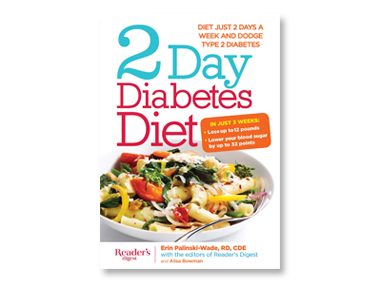
2 day diabetes diet bookBased on groundbreaking science, the 2-Day Diabetes Diet makes it easy to prevent, treat, or even reverse type 2 diabetes. No forbidden foods. No carb counting. Just restrict what you eat for two days a week.

15 Easy Diabetic Recipes You’ll Want to Make Over and Over


Not only are these diabetic-friendly recipes tasty, they are also easy to make.


Pineapple Pudding Cake

Pineapple Pudding CakeTaste of Home
My mother used to love making this easy dessert in the summertime. It's so cool and refreshing that it never lasts very long! Recipe shared by Kathleen Worden, North Andover, Massachusetts. Get the recipe on TasteofHome.com

Mini Ham 'n' Cheese Frittatas

Mini Ham 'n' Cheese FrittatasTaste of Home
I found this recipe a few years ago and tried to make it with it with a few changes. I'm diabetic, and this fits into my low-carb and low-fat diet. Every time I serve a brunch, the frittatas are the first thing to disappear, and nobody knows they are low fat! Recipe shared by Susan Watt, Basking Ridge, New Jersey. Get the recipe on TasteofHome.com

Simple Lemon Pie

Simple Lemon PieTaste of Home
Lemon meringue pie is one of my favorite desserts, and this yummy, sweet-tart version is so good that no one will suspect that it's light. Recipe shared by Frances VanFossan, Warren, Michigan. Get the recipe on TasteofHome.com

Pork Chops with Honey-Garlic Sauce

Pork Chops with Honey-Garlic SauceTaste of Home
The honey and garlic sauce is so good, I sometimes double it so there's extra for dipping. Recipe shared by Michelle Smith, Eldersburg, Maryland. Get the recipe on TasteofHome.com

Walnut-Crusted Salmon

Walnut-Crusted SalmonTaste of Home
Whenever I can get salmon for a good price, I always turn to this simple and delicious recipe. Recipe shared by Edie DeSpain, Logan, Utah. Get the recipe on TasteofHome.com

Carrot Broccoli Soup

Carrot Broccoli SoupTaste of Home
This soup is a staple at our house. It's fast, easy, yummy and so nutritious filled to the brim with carrots and broccoli! Recipe shared by Sandy Smith, London, Ontario. Get the recipe on TasteofHome.com

No-Fuss Avocado Onion Salad

No-Fuss Avocado Onion SaladTaste of Home
My mother could take a simple salad and turn it into something incredibly delicious. This one is a favorite of mine, and it is so easy to make. Recipe shared by Marina Castle, Canyon Country, California. Get the recipe on TasteofHome.com

Spinach-Mushroom Scrambled Eggs

Spinach-Mushroom Scrambled EggsTaste of Home
My husband and I enjoyed a mushroom egg dish at a hotel restaurant. I've created a healthy rendition with loads of hearty mushroom flavor. Recipe shared by Rachelle McCalla, Wayne, Nebraska. Get the recipe on TasteofHome.com

Savory Apple-Chicken Sausage

Savory Apple-Chicken SausageTaste of Home
Healthy, tasty and simple to make, these patties will be a hearty addition to your breakfast table. The versatile recipe can be doubled or tripled for a crowd, and the sausage freezes well. Recipe shared by Angela Buchanan of Longmont, Colorado. Get the recipe on TasteofHome.com

Southwestern Pineapple Pork Chops

Southwestern Pineapple Pork ChopsTaste of Home
My husband and I love the Southwest. After a recent trip, I decided to add a Southwestern flair to a few of our favorite healthy dishes. Recipe shared by Lisa Varner, El Paso, Texas. Get the recipe on TasteofHome.com

Easy Marinated Flank Steak

Easy Marinated Flank SteakTaste of Home
I got this recipe from a friend 15 years ago. Even now, when my family makes steak on the grill, this is the recipe we use. It's a must when we’re having company. Recipe shared by Debbie Bonczek, Tariffville, Connecticut. Get the recipe on TasteofHome.com

Easy Burgundy Stew

Easy Burgundy StewTaste of Home
Watching your salt intake? This satisfying stew has almost 2/3 less sodium than many "beef stew cup" products. To lower the sodium even further, replace the diced tomatoes with no-salt-added diced tomatoes. Recipe shared by Coleen Balch, Clay, New York. Get the recipe on TasteofHome.com

Light & Easy Cheesecake Bars

Light & Easy Cheesecake BarsTaste of Home
These cheesecake bars are special to me because family and friends ask me to make them again and again. Dried berries work well on these bars, too, if fresh berries are not available. Recipe shared by Patricia Nieh, Portola Valley, California. Get the recipe on TasteofHome.com

Balsamic Arugula Salad

Balsamic Arugula SaladTaste of Home
With four simple ingredients, this arugula salad comes together in a flash and makes a sophisticated side. Recipe shared by Lisa Speer, Palm Beach, Florida. Get the recipe on TasteofHome.com

Easy Cheese Broccoli Soup

Easy Cheese Broccoli SoupTaste of Home
My husband is diabetic, and I'm watching my weight. This soup fits our diets perfectly. Friends and family will never guess it only takes just 15 minutes to make! Recipe shared by Carol Colvin, Derby, New York.

13 Things You Never Knew About Losing Weight


Steven Blair is, in his own words, a “short, fat, bald guy.” But at five-foot-five and 200 pounds, he may very well be healthier than men much taller and leaner. He runs 25 miles a week, eats six to eight servings of fruits and vegetables a day, and avoids processed and fatty foods. A professor of exercise science and epidemiology at the University of South Carolina, Blair is a living example of how fat doesn’t play fair. And thanks to advances in his field, he is beginning to understand why.
Surprising Weight FactsRobert Simon/istockphoto.com
Genes, hormonal imbalances, and even viruses are now acknowledged to play a role in obesity. Eating less and working out more, in fact, don’t have nearly as much to do with weight loss as you might assume. “This is all counter to what people think they know,” says Blair. “You can see obesity, so it’s easy to say ‘Well, that person must not be trying. He must be lazy.’ But that’s often not the case.”
Our team pored over the latest studies, interviewed the top clinicians in obesity science, and listened to the real-life experiences of men and women struggling to maintain their weight. Here, the latest (and often unexpected) thinking behind size and thighs, fatness and fitness.
1. It Really Is Genetic
When scientists first discovered it in certain chubby mice, they called it simply the fatso gene. Years later, when they scoured the human genome for markers that increased vulnerability to type 2 diabetes, the fatso gene (now more politely called FTO) showed up there too. Turns out, people with two copies of the gene were 40 percent more likely to have diabetes and 60 percent more likely to be obese than those without it. Those with only one copy of the gene weighed more too.
Scientists now suspect that there are lots of fat genes. “There could be as many as 100 of them,” says Claude Bouchard, PhD, executive director of the Pennington Biomedical Research Center at Louisiana State University System, “each adding a couple of pounds here and a pound or two there. That’s a noticeable difference when it comes to how much more fat we need to burn off.”
As much as 16 percent of the population has two copies of the FTO gene, and half of us have one copy. So far, scientists suspect that the other possible obesity-promoting genes have a small effect compared with FTO. The good news? “A genetic predisposition isn’t necessarily a life sentence,” says Bouchard. Exercising regularly can offset the risk.
2. Some People Just Have More Fat Cells
And the range is enormous, with some people having twice as many fat cells as others have, says Kirsty Spalding, PhD, of the Karolinska Institute in Stockholm. Even if you’ve lost a few pounds (or gained some), your fat-cell count remains, holding tight to the fat already inside and forever thirsting to be filled up with more. (To add insult to injury, the fat cells of overweight and obese people hold more fat too.)
New fat cells emerge during childhood but seem to stop by adolescence. Those of us destined to have a lot of these cells probably start producing them as young as age two. The cells’ rate of growth may be faster, too—even if kids cut way back on calories.
Strangers have written to Spalding, telling her how depressed they are by her research. But she says her news isn’t all bleak. You’re better off with more fat cells, she says, than with fewer fat cells that become overstuffed and enlarged. (New research suggests that the overstuffed group are more vulnerable to obesity-related health complications.) So while you can’t reduce your total number of fat cells, there are things you can do to keep them small. (See next point.)
3. You Can Change Your Metabolism
Another Scandinavian team looked into what happens at the cellular level when you gain weight. Kirsi Pietiläinen, PhD, an assistant professor of nutrition at Helsinki University Central Hospital, studied sets of twins where one was fat and the other thin, and learned that fat cells in heavier twins underwent metabolic changes that make it more difficult to burn fat. Pietiläinen’s team suspects that gaining as little as 11 pounds can slow metabolism and send you spiraling into a vicious cycle: As you gain more fat, it becomes harder to lose it.
How to get back on track? “The more I learn on the job, the more I’m convinced we need physical activity,” Pietiläinen says. Once a chubby child herself, she now runs regularly and is at a healthy weight.
4. Stress Fattens You Up
The most direct route is the food-in-mouth syndrome: Stressful circumstances (your bank account, your boss) spark cravings for carbohydrate-rich snack foods, which in turn calm stress hormones. (When researchers in one study took away high-carb food from stressed mice, their stress hormones surged.)
Stress hormones also ramp up fat storage. For our prehistoric ancestors, stress meant drought or approaching tigers, and a rapid-storage process made sense; we needed the extra energy to survive food shortages or do battle. Today we take our stress sitting down—and the unused calories accumulate in our midsection.
To whittle yourself back down to size, in addition to your usual workout routine, make time for stress relief—whether it’s a yoga class or quality time with family.
5. Mom’s Pregnancy Sealed Your Fate
A mother’s cigarettes increase the risk of low birth weight, and alcohol can damage her baby’s brain. So why wouldn’t unhealthy foods wreak similar havoc? A growing body of science suggests that sugary and fatty foods, consumed even before you’re born, do exactly that. A Pennington study on rodents reports that overweight females have higher levels of glucose and free fatty acids floating around in the womb than normal-weight ones do. These molecules trigger the release of proteins that can upset the appetite-control and metabolic systems in the developing brain.
What’s true for mice is often true for humans too. Doctors from State University of New York Downstate Medical Center compared children born before their mothers had gastric bypass surgery with siblings born later. Women weighed less after the surgery, as expected, but their children were also half as likely to be obese. Because siblings have such similar genetic profiles, the researchers attributed the weight differences to changes in the womb environment. Moms-to-be, take note: You can give your kids a head start by eating well before they’re born.
6. Sleep More, Lose More
When patients see Louis Aronne, MD, past president of the Obesity Society and author of the forthcoming book The Skinny, they’re as likely to have their sleep assessed as their eating habits. If patients are getting less than seven to eight hours, Dr. Aronne may prescribe more shut-eye rather than the latest diet or drug. With more sleep, he says, “they have a greater sense of fullness, and they’ll spontaneously lose weight.”
Why? University of Chicago researchers reported that sleep deprivation upsets our hormone balance, triggering both a decrease in leptin (which helps you feel full) and an increase of ghrelin (which triggers hunger). As a result, we think we’re hungry even though we aren’t—and so we eat. Indeed, sleep may be the cheapest and easiest obesity treatment there is.
7. Your Spouse’s Weight Matters
When Jodi Dixon’s six-foot-two, 360-pound husband lost 125 pounds, she had mixed feelings. She was the one who always watched her weight and exercised; she was always the one trying to get her husband to be more active. Mort, a medical sales rep, was always the life of the party, says his wife, a 43-year-old mother of two in Freehold, New Jersey. But when he lost the weight, it was different.
“Men and women would flock to him, drawn to his charisma,” she recalls. “I felt jealous.” Dixon comforted herself with food and gained 20 pounds before she decided to take action. She began biking with her husband and enrolled in a diet program. Eventually she trimmed down, too, shedding 30 pounds, and has her sights on losing more.
Dixon credits the weight gain, and the loss, to her jealousy. But research shows that weight gain and loss can be, well, contagious. A study in the New England Journal of Medicine suggests that if one spouse is obese, the other is 37 percent more likely to become obese too. The researchers concluded that obesity seems to spread through social networks.
As in Dixon’s case, slimming down seems to be catching, at least within the family: When Dixon launched her weight-loss plan, her eldest daughter, also overweight, followed her mom’s healthy habits and lost 40 pounds.
8. Achoo! A Virus Can Cause Obesity
Adenoviruses are responsible for a host of ills, from upper respiratory tract problems to gastrointestinal troubles. The link to fat was uncovered when researchers at the University of Wisconsin injected chickens with the viruses and found that certain strains fattened them up.
Stem cells, known for their chameleonlike abilities to transform, also turned into fat cells when infected with the viruses. “The virus seems to increase the number of fat cells in the body as well as the fat content of these cells,” says Nikhil Dhurandhar, PhD, now an associate professor of infections and obesity at Pennington.
ADVERTISING
Human studies, including comparisons of twins, suggest that obese people are indeed more likely to harbor antibodies for a particular virus, known as adenovirus-36.
We have flu shots; could an obesity vaccine be the next step? It may sound far-fetched, but “that’s what they said about cervical cancer too,” says Dhurandhar.
9. Cookies Really Are Addictive
While food is not addictive the way cocaine or alcohol is, scientists in recent years have found some uncanny similarities. When subjects at Monell Chemical Senses Center in Philadelphia were shown the names of foods they liked, the parts of the brain that got excited were the same parts activated in drug addicts. It may have to do with dopamine, the hormone linked to motivation and pleasure, say researchers at Brookhaven National Laboratory in Upton, New York. If obese people have fewer dopamine receptors, they may need more food to get that pleasurable reaction.
10. Ear Infections Can Taint Your Taste Buds
For years, the team at Linda Bartoshuk’s taste lab at the University of Florida wondered why people who tasted food less intensely than others seemed more likely to be fat. Researcher Derek Snyder had a theory: Could an ear infection, which can damage a taste nerve running through the middle ear, be the missing link? After tabulating 6,584 questionnaires, the team discovered that those over 35 who had suffered several ear infections had almost double the chance of being obese.
Responses to additional questions provided clues as to why. Former ear-infection patients were a little more likely to love sweets and fatty foods—perhaps because the damaged nerve causes them to have a higher threshold for sensing sweetness and fattiness. Even a small increase in calories from bad food choices adds up over time.
Childhood ear infections are as hard to avoid as the colds that tend to bring them on, but limiting passive smoke seems to drive down incidents of ear infection. If you’re an overweight adult who suffered a severe ear infection as a child, it may be worth paying attention to the taste and texture of your food. Simply finding healthier substitutes, such as fruit instead of candy, or olive oil instead of butter, may help drive you toward eating better and weighing less.
11. Antioxidants Are Also Anti-Fat
Free radicals are now blamed not only for making you look old but also for making you fat. Zane Andrews, PhD, a neuroendocrinologist at Monash University in Australia, says these oxidizing molecules damage the cells that tell us we’re full. Free radicals emerge when we eat (something even the keenest dieter must do to survive), but they’re especially prevalent when we gorge on candy bars, chips, and other carbohydrates. With every passing year, these fullness signifiers suffer wear and tear-causing the “stop eating!” signal to get weaker and appetites (and possibly our stomachs) to get bigger. The best way to fight back? Avoid the junk and load up on colorful, antioxidant-rich fruits and vegetables.
12. Pick a Diet, Any Diet
As established diet books constantly reinvent themselves to sell copies and win converts, a curious phenomenon has emerged: Ornish, Atkins, and everyone in between are sounding remarkably similar. The low-fat gurus now say that certain fats are okay, while the low-carb proponents are beginning to endorse whole grains. With every new guideline and selling point, each diet acknowledges that there are really four basic rules to healthy eating (drumroll, please):
  • Consume carbs in the form of whole grains and fiber.
  • Avoid trans fats and saturated fats.
  • Eat lean protein.
  • Fill up on fruits and vegetables.
The low-carb South Beach Diet, for example, now espouses the virtues of eating the Mediterranean way-including lots of carbohydrate-rich fruits and vegetables. The latest Atkins book emphasizes the “good carb” message too. Weight Watchers, a champion of the points system, is now offering a “no counting” option based on healthy choices like those above. Jenny Craig is pushing Volumetrics, a high-volume, low-calorie strategy. And everyone gives a thumbs-down to processed and sugary carbohydrates, which cause insulin to spike and can lead to more fat and even diabetes.
Low-fat-diet guru Dean Ornish, MD, says, “It’s the end of the diet wars.” His most recent book, The Spectrum, even offers recipes that can be prepared in various “degrees”—from a vegetable chili served plain (low-fat) to one served with olives (more fat) to still another served with turkey breast sausage (still more fat).
The key to all of this, of course, is moderation rather than deprivation—eating in a way you can live with. And for some people, an important side effect of eating more plant-based foods is that it’s better for the environment. (See food writer Mark Bittman’s Simple Till Six: An Eating Plan for Busy People.)
13. You Can Be Fat and Fit
A growing body of literature suggests that size doesn’t matter when it comes to your health. A study published in the Archives of Internal Medicine surveyed 5,440 American adults and found that 51 percent of the overweight and almost 32 percent of the obese had mostly normal cholesterol, blood sugar, blood pressure, and other measures of good health.
Further defying conventional wisdom, the article also reported that 23.5 percent of trim adults were, in fact, metabolically abnormal—making them more vulnerable to heart disease than their heavier counterparts.
The latest U.S. Department of Health and Human Services report corroborates what our doctors have said all along: You need about 30 minutes of moderate-intensity physical activity five days a week for health. And you don’t even have to do your exercise in one fell swoop—ten-minute stints of walking are just as effective. That means if you forgo the elevators for the stairs, get off one train or bus stop earlier, and park your car a few blocks away, chances are you’ll be good for the day.
Remember Steven Blair, the self-described short, fat, bald guy? At age 69, his blood pressure is in check, his cholesterol levels are normal, and his heart is strong. What’s more, he may have even more positive vital signs, according to his recent study in the journal Obesity: Men who are fit (determined by their performance on a treadmill) have a lower risk of dying of cancer than out-of-shape guys, regardless of their body mass index, waist size, or percentage of body fat.
The news is heartening, says Blair: “We don’t have great tools to change people’s weight, but we know we can change their fitness levels.
New Way to Tame Cravings?
Some of the most eagerly awaited pills in the pipeline promise to calm cravings, reduce appetite, and even boost metabolism.
For instance, vigabatrin has been studied as a treatment for drug addiction. Suspecting that it would work on weight-control patients, scientists injected the substance into obese rats. It worked: The rats lost 19 percent of their original weight after 40 days.
Another drug, tesofensine, works on three different mechanisms in the brain to regulate appetite and metabolism. In early trials, patients who used the drug lost an average of nearly 30 pounds.
So what’s the catch? Side effects. The much-hyped drugs taranabant and Acomplia both failed because they caused severe mood swings and depression. Scientists will have to pay close attention to dosage and side effects if future weight-loss drugs are to clear the FDA approval process.