Wednesday, 4 November 2015

Eat These Foods to Boost Your Immune System


Various beans
Want to fight off that illness that’s spreading around the office or your child’s school? Aside from practicing good hygiene, boosting your immune system is a great way to start.
Your diet plays a part in strengthening your immune system. Sadly, too many of us don’t eat enough of the fresh fruits, vegetables and other foods we need to keep ourselves healthy year-round. You can’t just eat an orange or grapefruit and expect one quick burst of vitamin C to prevent a cold. A truly healthy immune system depends on a balanced mix of vitamins and minerals over time, plus normal sleep patterns and a hefty dose of exercise.
With some exceptions, it’s best to get your vitamins and minerals from your food rather than in pill form. Here are some tips for getting the top vitamins your immune system needs to perform.
  • Vitamin C

    Vitamin C

    You probably know about vitamin C’s connection to the immune system, but did you know you can get it from much more than just citrus fruits? Leafy green vegetables such as spinach and kale, bell peppers, brussels sprouts, strawberries and papaya are also excellent sources. In fact, vitamin C is in so many foods that most people may not need to take supplements unless a doctor advises it.
  • Vitamin E

    Vitamin E

    Like vitamin C, vitamin E can be a powerful antioxidant that helps your body fight off infection. Almonds, peanuts, hazelnuts and sunflower seeds are all high in vitamin E. So are spinach and broccoli if you prefer to increase your intake through meals rather than snacks.
  • Vitamin B6

    Vitamin B6

    This important vitamin — part of nearly 200 biochemical reactions in your body — is critical in how your immune system functions. Foods high in vitamin B6 include bananas, lean chicken breast, cold-water fish such as tuna, baked potatoes and chickpeas. Bring on the hummus!
  • Vitamin A

    Vitamin A

    For vitamin A, go colorful. Foods that are high in colorful compounds called carotenoids — carrots, sweet potatoes, pumpkin, cantaloupe and squash — are all great options. The body turns these carotenoids into vitamin A, and they have an antioxidant effect to help strengthen the immune system against infection.
  • Vitamin D

    Vitamin D

    As mentioned above, it’s best to get most of your vitamins from food, but vitamin D may be the exception to that rule. You can increase your intake through foods such as fatty fish (salmon, mackerel, tuna and sardines) and fortified foods such as milk, orange juice and cereals. Many people have a hard time absorbing vitamin D from food, so if you have a vitamin D deficiency, talk to your doctor about supplements.
  • Folate/folic acid

    Folate/folic acid

    Folate is the natural form, and folic acid is the synthetic form, often added to foods because of its health benefits. To get more folate, add more beans and peas to your plate on a regular basis, as well as leafy green vegetables. You can also get folic acid in fortified foods (check the label) such as enriched breads, pastas, rice and other 100 percent whole-grain products.
  • Iron

    Iron

    Iron, which helps your body carry oxygen to cells, comes in different forms. Your body can more easily absorb “heme iron,” which is abundant in lean poultry such as chicken and turkey, plus seafood. But never fear, vegetarians: You can get other forms of iron in beans, broccoli and kale.
  • Selenium

    Selenium

    Selenium seems to have a powerful effect on the immune system, including the potential to slow the body’s over-active responses to certain aggressive forms of cancer. You can find it in garlic, broccoli, sardines, tuna, brazil nuts and barley, among other foods.
  • Zinc

    Zinc

    You can find zinc in oysters, crab, lean meats and poultry, baked beans (skip the kind with added sugar), yogurt and chickpeas. Zinc appears to help slow down the immune response and control inflammation in your body.
Bonus Tip: When You Can’t Eat Fresh, Eat Frozen
Depending on where you live and what time of year it is, you can’t always get your hands on high-quality fresh produce. Keep this in mind: Frozen is fine. Manufacturers freeze frozen fruits and veggies at “peak” ripeness, which means they’ll pack a similar nutritional value as their fresh counterparts. Just choose plain frozen foods rather than those with added sugars or sodium.

Diabetes and Exercise: 10 Science-Backed Reasons to Start Working Out


Changing your diet isn’t the only way to achieve a healthy lifestyle with diabetes. Here's how exercise can help you fight fat and lower your blood sugar.

beat germs and stay healthy at gym
1. Reach your weight loss goal faster. Study after study shows that regular physical activity can help you to burn more calories, torch more body fat (especially belly fat), reduce your blood sugar levels, and build more sexy, sugar-sipping muscle. In a 2011 study from Seattle’s Fred Hutchinson Cancer Research Center, women who followed a healthy, reduced-calorie diet and exercised regularly lost an average of 19.8 pounds in a year. In contrast, those who only exercised lost an average of 4.4 pounds and those who only dieted lost 15.8 pounds.

2. Maintain that goal for life. Exercise also helps you keep weight off, which is a major challenge once you’ve lost those extra pounds. In one 2010 study from the Arizona Cancer Center, women who did muscle-building moves on a regular basis were 22 percent less likely to put on pounds and body fat than women who didn’t strength train.

3. Manage blood sugar more easily. Think of activity as a sponge that helps soak up excess sugar that’s circulating around your system. When muscles contract, your body sends out armies of sugar-moving proteins called GLUT-4 transporters that carry sugar molecules from your bloodstream into your cells. This process doesn’t rely on insulin (the hormone that tells cells to let blood sugar in). And the benefits can last for hours after your activity ends. End result: better blood sugar control. In one amazing 2012 study from Maastricht University in the Netherlands, published in the journal Diabetes Care, people with diabetes who exercised at a moderate pace for a half-hour just three or four days a week slashed their exposure to the damaging effects of high blood sugar. The researchers found that while non-exercisers’ blood sugar levels spiked to high levels nearly eight hours each day, exercisers’ blood sugar levels stayed in a healthy range almost three hours longer every day. This difference lowered their long-term risk for diabetes-related complications like nerve damage, vision loss, and kidney problems.

4. Reduce insulin resistance. Exercise makes your cells more likely to obey insulin’s “Hey, open up and let the blood sugar in!” messages more readily. This benefit kicks in after just a week of exercise. Insulin resistance fell by 30 percent in one 2007 Tufts University study.

5. Drop cortisol levels. High levels of this stress hormone trigger inflammation and worsen blood sugar control. Exercise helps reduce the emotional stress that can lead to these chronically high cortisol levels. Almost any form of exercise or physical activity can be a natural stress-buster.

6. Build calorie-hungry muscle. Muscle draws sugar and fatty acids from your bloodstream, burning them for energy around the clock. There’s some disagreement over exactly how many calories each pound of muscle burns. Some say only about 5 calories a day, but others estimate closer to 50. Either way, that’s much more than your fat stores, which burn few calories at all. Trouble is, we start losing some of our muscle mass every decade beginning in our mid-thirties. With less muscle on board to burn calories, losing weight and keeping it off can be more difficult—another reason to build muscle with strength training.

7. Melt more belly fat. In a 2006 Johns Hopkins University study, 104 women and men who walked on a treadmill or rode exercise bikes three days a week and did a strength-training routine lost 18 percent of their belly fat. This combination beats walking alone. In a 2010 study published in the International Journal of Sport Nutrition and Exercise Metabolism, women who walked and performed a simple strength-training routine three days a week slimmed their midsections 2 percent more than those who just walked.

8. Improve heart health. Your heart and arteries age faster if you have blood sugar problems, thanks to high blood pressure, high cholesterol, inflammation, stiff arteries, and other effects, say University of Colorado experts. In a 2011 review, these experts noted that cardiovascular health declines twice as fast in people with diabetes as in people without diabetes. The antidote? Aerobic exercise plus strength training, which the researchers say may slow the damage.

9. Need less medication for high cholesterol and high blood pressure. That’s important because some of these meds can cause weight gain. In a 2012 National Institutes of Healthy study of 5,145 people with diabetes, those who followed a healthy diet and got regular exercise lost weight and needed less medication (and less expensive, name-brand medication) for optimal control of their cholesterol and blood pressure levels.

10. Improve total body health. Exercise can strengthen your bones, lower risk for certain cancers, improve your sleep, and lift your mood.


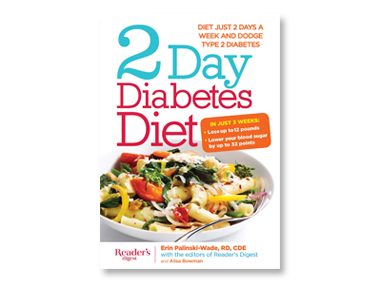
2 day diabetes diet bookBased on groundbreaking science, the 2-Day Diabetes Diet makes it easy to prevent, treat, or even reverse type 2 diabetes. No forbidden foods. No carb counting. Just restrict what you eat for two days a week.

15 Easy Diabetic Recipes You’ll Want to Make Over and Over


Not only are these diabetic-friendly recipes tasty, they are also easy to make.


Pineapple Pudding Cake

Pineapple Pudding CakeTaste of Home
My mother used to love making this easy dessert in the summertime. It's so cool and refreshing that it never lasts very long! Recipe shared by Kathleen Worden, North Andover, Massachusetts. Get the recipe on TasteofHome.com

Mini Ham 'n' Cheese Frittatas

Mini Ham 'n' Cheese FrittatasTaste of Home
I found this recipe a few years ago and tried to make it with it with a few changes. I'm diabetic, and this fits into my low-carb and low-fat diet. Every time I serve a brunch, the frittatas are the first thing to disappear, and nobody knows they are low fat! Recipe shared by Susan Watt, Basking Ridge, New Jersey. Get the recipe on TasteofHome.com

Simple Lemon Pie

Simple Lemon PieTaste of Home
Lemon meringue pie is one of my favorite desserts, and this yummy, sweet-tart version is so good that no one will suspect that it's light. Recipe shared by Frances VanFossan, Warren, Michigan. Get the recipe on TasteofHome.com

Pork Chops with Honey-Garlic Sauce

Pork Chops with Honey-Garlic SauceTaste of Home
The honey and garlic sauce is so good, I sometimes double it so there's extra for dipping. Recipe shared by Michelle Smith, Eldersburg, Maryland. Get the recipe on TasteofHome.com

Walnut-Crusted Salmon

Walnut-Crusted SalmonTaste of Home
Whenever I can get salmon for a good price, I always turn to this simple and delicious recipe. Recipe shared by Edie DeSpain, Logan, Utah. Get the recipe on TasteofHome.com

Carrot Broccoli Soup

Carrot Broccoli SoupTaste of Home
This soup is a staple at our house. It's fast, easy, yummy and so nutritious filled to the brim with carrots and broccoli! Recipe shared by Sandy Smith, London, Ontario. Get the recipe on TasteofHome.com

No-Fuss Avocado Onion Salad

No-Fuss Avocado Onion SaladTaste of Home
My mother could take a simple salad and turn it into something incredibly delicious. This one is a favorite of mine, and it is so easy to make. Recipe shared by Marina Castle, Canyon Country, California. Get the recipe on TasteofHome.com

Spinach-Mushroom Scrambled Eggs

Spinach-Mushroom Scrambled EggsTaste of Home
My husband and I enjoyed a mushroom egg dish at a hotel restaurant. I've created a healthy rendition with loads of hearty mushroom flavor. Recipe shared by Rachelle McCalla, Wayne, Nebraska. Get the recipe on TasteofHome.com

Savory Apple-Chicken Sausage

Savory Apple-Chicken SausageTaste of Home
Healthy, tasty and simple to make, these patties will be a hearty addition to your breakfast table. The versatile recipe can be doubled or tripled for a crowd, and the sausage freezes well. Recipe shared by Angela Buchanan of Longmont, Colorado. Get the recipe on TasteofHome.com

Southwestern Pineapple Pork Chops

Southwestern Pineapple Pork ChopsTaste of Home
My husband and I love the Southwest. After a recent trip, I decided to add a Southwestern flair to a few of our favorite healthy dishes. Recipe shared by Lisa Varner, El Paso, Texas. Get the recipe on TasteofHome.com

Easy Marinated Flank Steak

Easy Marinated Flank SteakTaste of Home
I got this recipe from a friend 15 years ago. Even now, when my family makes steak on the grill, this is the recipe we use. It's a must when weรข€™re having company. Recipe shared by Debbie Bonczek, Tariffville, Connecticut. Get the recipe on TasteofHome.com

Easy Burgundy Stew

Easy Burgundy StewTaste of Home
Watching your salt intake? This satisfying stew has almost 2/3 less sodium than many "beef stew cup" products. To lower the sodium even further, replace the diced tomatoes with no-salt-added diced tomatoes. Recipe shared by Coleen Balch, Clay, New York. Get the recipe on TasteofHome.com

Light & Easy Cheesecake Bars

Light & Easy Cheesecake BarsTaste of Home
These cheesecake bars are special to me because family and friends ask me to make them again and again. Dried berries work well on these bars, too, if fresh berries are not available. Recipe shared by Patricia Nieh, Portola Valley, California. Get the recipe on TasteofHome.com

Balsamic Arugula Salad

Balsamic Arugula SaladTaste of Home
With four simple ingredients, this arugula salad comes together in a flash and makes a sophisticated side. Recipe shared by Lisa Speer, Palm Beach, Florida. Get the recipe on TasteofHome.com

Easy Cheese Broccoli Soup

Easy Cheese Broccoli SoupTaste of Home
My husband is diabetic, and I'm watching my weight. This soup fits our diets perfectly. Friends and family will never guess it only takes just 15 minutes to make! Recipe shared by Carol Colvin, Derby, New York.

13 Things You Never Knew About Losing Weight


Steven Blair is, in his own words, a “short, fat, bald guy.” But at five-foot-five and 200 pounds, he may very well be healthier than men much taller and leaner. He runs 25 miles a week, eats six to eight servings of fruits and vegetables a day, and avoids processed and fatty foods. A professor of exercise science and epidemiology at the University of South Carolina, Blair is a living example of how fat doesn’t play fair. And thanks to advances in his field, he is beginning to understand why.
Surprising Weight FactsRobert Simon/istockphoto.com
Genes, hormonal imbalances, and even viruses are now acknowledged to play a role in obesity. Eating less and working out more, in fact, don’t have nearly as much to do with weight loss as you might assume. “This is all counter to what people think they know,” says Blair. “You can see obesity, so it’s easy to say ‘Well, that person must not be trying. He must be lazy.’ But that’s often not the case.”
Our team pored over the latest studies, interviewed the top clinicians in obesity science, and listened to the real-life experiences of men and women struggling to maintain their weight. Here, the latest (and often unexpected) thinking behind size and thighs, fatness and fitness.
1. It Really Is Genetic
When scientists first discovered it in certain chubby mice, they called it simply the fatso gene. Years later, when they scoured the human genome for markers that increased vulnerability to type 2 diabetes, the fatso gene (now more politely called FTO) showed up there too. Turns out, people with two copies of the gene were 40 percent more likely to have diabetes and 60 percent more likely to be obese than those without it. Those with only one copy of the gene weighed more too.
Scientists now suspect that there are lots of fat genes. “There could be as many as 100 of them,” says Claude Bouchard, PhD, executive director of the Pennington Biomedical Research Center at Louisiana State University System, “each adding a couple of pounds here and a pound or two there. That’s a noticeable difference when it comes to how much more fat we need to burn off.”
As much as 16 percent of the population has two copies of the FTO gene, and half of us have one copy. So far, scientists suspect that the other possible obesity-promoting genes have a small effect compared with FTO. The good news? “A genetic predisposition isn’t necessarily a life sentence,” says Bouchard. Exercising regularly can offset the risk.
2. Some People Just Have More Fat Cells
And the range is enormous, with some people having twice as many fat cells as others have, says Kirsty Spalding, PhD, of the Karolinska Institute in Stockholm. Even if you’ve lost a few pounds (or gained some), your fat-cell count remains, holding tight to the fat already inside and forever thirsting to be filled up with more. (To add insult to injury, the fat cells of overweight and obese people hold more fat too.)
New fat cells emerge during childhood but seem to stop by adolescence. Those of us destined to have a lot of these cells probably start producing them as young as age two. The cells’ rate of growth may be faster, too—even if kids cut way back on calories.
Strangers have written to Spalding, telling her how depressed they are by her research. But she says her news isn’t all bleak. You’re better off with more fat cells, she says, than with fewer fat cells that become overstuffed and enlarged. (New research suggests that the overstuffed group are more vulnerable to obesity-related health complications.) So while you can’t reduce your total number of fat cells, there are things you can do to keep them small. (See next point.)
3. You Can Change Your Metabolism
Another Scandinavian team looked into what happens at the cellular level when you gain weight. Kirsi Pietilรคinen, PhD, an assistant professor of nutrition at Helsinki University Central Hospital, studied sets of twins where one was fat and the other thin, and learned that fat cells in heavier twins underwent metabolic changes that make it more difficult to burn fat. Pietilรคinen’s team suspects that gaining as little as 11 pounds can slow metabolism and send you spiraling into a vicious cycle: As you gain more fat, it becomes harder to lose it.
How to get back on track? “The more I learn on the job, the more I’m convinced we need physical activity,” Pietilรคinen says. Once a chubby child herself, she now runs regularly and is at a healthy weight.
4. Stress Fattens You Up
The most direct route is the food-in-mouth syndrome: Stressful circumstances (your bank account, your boss) spark cravings for carbohydrate-rich snack foods, which in turn calm stress hormones. (When researchers in one study took away high-carb food from stressed mice, their stress hormones surged.)
Stress hormones also ramp up fat storage. For our prehistoric ancestors, stress meant drought or approaching tigers, and a rapid-storage process made sense; we needed the extra energy to survive food shortages or do battle. Today we take our stress sitting down—and the unused calories accumulate in our midsection.
To whittle yourself back down to size, in addition to your usual workout routine, make time for stress relief—whether it’s a yoga class or quality time with family.
5. Mom’s Pregnancy Sealed Your Fate
A mother’s cigarettes increase the risk of low birth weight, and alcohol can damage her baby’s brain. So why wouldn’t unhealthy foods wreak similar havoc? A growing body of science suggests that sugary and fatty foods, consumed even before you’re born, do exactly that. A Pennington study on rodents reports that overweight females have higher levels of glucose and free fatty acids floating around in the womb than normal-weight ones do. These molecules trigger the release of proteins that can upset the appetite-control and metabolic systems in the developing brain.
What’s true for mice is often true for humans too. Doctors from State University of New York Downstate Medical Center compared children born before their mothers had gastric bypass surgery with siblings born later. Women weighed less after the surgery, as expected, but their children were also half as likely to be obese. Because siblings have such similar genetic profiles, the researchers attributed the weight differences to changes in the womb environment. Moms-to-be, take note: You can give your kids a head start by eating well before they’re born.
6. Sleep More, Lose More
When patients see Louis Aronne, MD, past president of the Obesity Society and author of the forthcoming book The Skinny, they’re as likely to have their sleep assessed as their eating habits. If patients are getting less than seven to eight hours, Dr. Aronne may prescribe more shut-eye rather than the latest diet or drug. With more sleep, he says, “they have a greater sense of fullness, and they’ll spontaneously lose weight.”
Why? University of Chicago researchers reported that sleep deprivation upsets our hormone balance, triggering both a decrease in leptin (which helps you feel full) and an increase of ghrelin (which triggers hunger). As a result, we think we’re hungry even though we aren’t—and so we eat. Indeed, sleep may be the cheapest and easiest obesity treatment there is.
7. Your Spouse’s Weight Matters
When Jodi Dixon’s six-foot-two, 360-pound husband lost 125 pounds, she had mixed feelings. She was the one who always watched her weight and exercised; she was always the one trying to get her husband to be more active. Mort, a medical sales rep, was always the life of the party, says his wife, a 43-year-old mother of two in Freehold, New Jersey. But when he lost the weight, it was different.
“Men and women would flock to him, drawn to his charisma,” she recalls. “I felt jealous.” Dixon comforted herself with food and gained 20 pounds before she decided to take action. She began biking with her husband and enrolled in a diet program. Eventually she trimmed down, too, shedding 30 pounds, and has her sights on losing more.
Dixon credits the weight gain, and the loss, to her jealousy. But research shows that weight gain and loss can be, well, contagious. A study in the New England Journal of Medicine suggests that if one spouse is obese, the other is 37 percent more likely to become obese too. The researchers concluded that obesity seems to spread through social networks.
As in Dixon’s case, slimming down seems to be catching, at least within the family: When Dixon launched her weight-loss plan, her eldest daughter, also overweight, followed her mom’s healthy habits and lost 40 pounds.
8. Achoo! A Virus Can Cause Obesity
Adenoviruses are responsible for a host of ills, from upper respiratory tract problems to gastrointestinal troubles. The link to fat was uncovered when researchers at the University of Wisconsin injected chickens with the viruses and found that certain strains fattened them up.
Stem cells, known for their chameleonlike abilities to transform, also turned into fat cells when infected with the viruses. “The virus seems to increase the number of fat cells in the body as well as the fat content of these cells,” says Nikhil Dhurandhar, PhD, now an associate professor of infections and obesity at Pennington.
ADVERTISING
Human studies, including comparisons of twins, suggest that obese people are indeed more likely to harbor antibodies for a particular virus, known as adenovirus-36.
We have flu shots; could an obesity vaccine be the next step? It may sound far-fetched, but “that’s what they said about cervical cancer too,” says Dhurandhar.
9. Cookies Really Are Addictive
While food is not addictive the way cocaine or alcohol is, scientists in recent years have found some uncanny similarities. When subjects at Monell Chemical Senses Center in Philadelphia were shown the names of foods they liked, the parts of the brain that got excited were the same parts activated in drug addicts. It may have to do with dopamine, the hormone linked to motivation and pleasure, say researchers at Brookhaven National Laboratory in Upton, New York. If obese people have fewer dopamine receptors, they may need more food to get that pleasurable reaction.
10. Ear Infections Can Taint Your Taste Buds
For years, the team at Linda Bartoshuk’s taste lab at the University of Florida wondered why people who tasted food less intensely than others seemed more likely to be fat. Researcher Derek Snyder had a theory: Could an ear infection, which can damage a taste nerve running through the middle ear, be the missing link? After tabulating 6,584 questionnaires, the team discovered that those over 35 who had suffered several ear infections had almost double the chance of being obese.
Responses to additional questions provided clues as to why. Former ear-infection patients were a little more likely to love sweets and fatty foods—perhaps because the damaged nerve causes them to have a higher threshold for sensing sweetness and fattiness. Even a small increase in calories from bad food choices adds up over time.
Childhood ear infections are as hard to avoid as the colds that tend to bring them on, but limiting passive smoke seems to drive down incidents of ear infection. If you’re an overweight adult who suffered a severe ear infection as a child, it may be worth paying attention to the taste and texture of your food. Simply finding healthier substitutes, such as fruit instead of candy, or olive oil instead of butter, may help drive you toward eating better and weighing less.
11. Antioxidants Are Also Anti-Fat
Free radicals are now blamed not only for making you look old but also for making you fat. Zane Andrews, PhD, a neuroendocrinologist at Monash University in Australia, says these oxidizing molecules damage the cells that tell us we’re full. Free radicals emerge when we eat (something even the keenest dieter must do to survive), but they’re especially prevalent when we gorge on candy bars, chips, and other carbohydrates. With every passing year, these fullness signifiers suffer wear and tear-causing the “stop eating!” signal to get weaker and appetites (and possibly our stomachs) to get bigger. The best way to fight back? Avoid the junk and load up on colorful, antioxidant-rich fruits and vegetables.
12. Pick a Diet, Any Diet
As established diet books constantly reinvent themselves to sell copies and win converts, a curious phenomenon has emerged: Ornish, Atkins, and everyone in between are sounding remarkably similar. The low-fat gurus now say that certain fats are okay, while the low-carb proponents are beginning to endorse whole grains. With every new guideline and selling point, each diet acknowledges that there are really four basic rules to healthy eating (drumroll, please):
  • Consume carbs in the form of whole grains and fiber.
  • Avoid trans fats and saturated fats.
  • Eat lean protein.
  • Fill up on fruits and vegetables.
The low-carb South Beach Diet, for example, now espouses the virtues of eating the Mediterranean way-including lots of carbohydrate-rich fruits and vegetables. The latest Atkins book emphasizes the “good carb” message too. Weight Watchers, a champion of the points system, is now offering a “no counting” option based on healthy choices like those above. Jenny Craig is pushing Volumetrics, a high-volume, low-calorie strategy. And everyone gives a thumbs-down to processed and sugary carbohydrates, which cause insulin to spike and can lead to more fat and even diabetes.
Low-fat-diet guru Dean Ornish, MD, says, “It’s the end of the diet wars.” His most recent book, The Spectrum, even offers recipes that can be prepared in various “degrees”—from a vegetable chili served plain (low-fat) to one served with olives (more fat) to still another served with turkey breast sausage (still more fat).
The key to all of this, of course, is moderation rather than deprivation—eating in a way you can live with. And for some people, an important side effect of eating more plant-based foods is that it’s better for the environment. (See food writer Mark Bittman’s Simple Till Six: An Eating Plan for Busy People.)
13. You Can Be Fat and Fit
A growing body of literature suggests that size doesn’t matter when it comes to your health. A study published in the Archives of Internal Medicine surveyed 5,440 American adults and found that 51 percent of the overweight and almost 32 percent of the obese had mostly normal cholesterol, blood sugar, blood pressure, and other measures of good health.
Further defying conventional wisdom, the article also reported that 23.5 percent of trim adults were, in fact, metabolically abnormal—making them more vulnerable to heart disease than their heavier counterparts.
The latest U.S. Department of Health and Human Services report corroborates what our doctors have said all along: You need about 30 minutes of moderate-intensity physical activity five days a week for health. And you don’t even have to do your exercise in one fell swoop—ten-minute stints of walking are just as effective. That means if you forgo the elevators for the stairs, get off one train or bus stop earlier, and park your car a few blocks away, chances are you’ll be good for the day.
Remember Steven Blair, the self-described short, fat, bald guy? At age 69, his blood pressure is in check, his cholesterol levels are normal, and his heart is strong. What’s more, he may have even more positive vital signs, according to his recent study in the journal Obesity: Men who are fit (determined by their performance on a treadmill) have a lower risk of dying of cancer than out-of-shape guys, regardless of their body mass index, waist size, or percentage of body fat.
The news is heartening, says Blair: “We don’t have great tools to change people’s weight, but we know we can change their fitness levels.
New Way to Tame Cravings?
Some of the most eagerly awaited pills in the pipeline promise to calm cravings, reduce appetite, and even boost metabolism.
For instance, vigabatrin has been studied as a treatment for drug addiction. Suspecting that it would work on weight-control patients, scientists injected the substance into obese rats. It worked: The rats lost 19 percent of their original weight after 40 days.
Another drug, tesofensine, works on three different mechanisms in the brain to regulate appetite and metabolism. In early trials, patients who used the drug lost an average of nearly 30 pounds.
So what’s the catch? Side effects. The much-hyped drugs taranabant and Acomplia both failed because they caused severe mood swings and depression. Scientists will have to pay close attention to dosage and side effects if future weight-loss drugs are to clear the FDA approval process.

Thursday, 22 October 2015

20 Common Reasons Why You’re Not Losing Weight


Woman Holding Scale and ChocolateWhen you lose weight, your body fights back.
You may be able to lose quite a lot of weight at first, without much effort.
However, weight loss may slow down or stop altogether after a while.
This article lists 20 common reasons why you’re not losing weight.
It also contains actionable tips on how to break through the plateau and get things moving again.

1. Maybe You Are Losing Without Realizing it

If you think you are experiencing a weight loss plateau, then you may not need to freak out just yet.
It is incredibly common for the scale not to budge for a few days (or weeks) at a time. This does NOT mean that you are not losing fat.
Body weight tends to fluctuate by a few pounds. It depends on the foods you are eating, and hormones can also have a major effect on how much water your body holds on to (especially in women).
Also, it is possible to gain muscle at the same time as you lose fat. This is particularly common if you just recently started exercising.
This is a good thing, as what you really want to lose is body fat, not just weight.
It is a good idea to use something other than the scale to gauge your progress. For example, measure your waist circumference and get your body fat percentage measured once per month.
Also, how well your clothes fit and how you look in the mirror can be very telling.
Unless your weight has been stuck at the same point for at least 1-2 weeks, then you probably don’t need to worry about anything.

2. You’re Not Keeping Track of What You’re Eating

Awareness is incredibly important if you are trying to lose weight. Many people actually don’t have a clue how much they’re really eating.
Studies show that keeping track of your diet helps with weight loss. People who use food diaries, or take pictures of their meals, consistently lose more weight than people who don’t (1, 2).

3. You’re Not Eating Enough Protein

Protein is the single most important nutrient for losing weight.
Eating protein at 25-30% of calories can boost metabolism by 80-100 calories per day and make you automatically eat several hundred fewer calories per day. It can also drastically reduce cravings and desire for snacking (3, 4, 5, 6, 7).
This is partly mediated by protein’s effects on appetite-regulating hormones, such as ghrelin and others (8, 9).
If you eat breakfast, then this is the most important meal to load up on the protein. Studies show that those who eat a high-protein breakfast are less hungry and have fewer cravings throughout the day (10).
A high protein intake also helps prevent metabolic slowdown, a common side effect of losing weight. It also helps to prevent weight regain (11, 12, 13).

4. You’re Eating Too Many Calories

A large percentage of people who have trouble losing weight are simply eating too many calories.
You may think that this does not apply to you, but keep in mind that studies consistently show that people tend to underestimate their calorie intake by a significant amount (14, 15, 16).
If you are not losing weight, then you should try weighing your foods and tracking your calories for a while.
Here are some helpful resources:
  • Calorie calculator – Use this tool to figure out how many calories to eat.
  • Calorie counters – This is a list of 5 free websites and apps that can help you keep track of your calorie and nutrient intake.
Tracking is also important if you’re trying to reach a certain nutrient goal, like getting 30% of your calories from protein. This can be impossible to achieve if you’re not tracking things properly.
It is generally not necessary to count calories and weigh everything for the rest of your life. I personally just do it every few months for a few days at a time to get a “feel” for how much I should be eating.

5. You’re Not Eating Whole Foods

Food quality is just as important as quantity.
Eating healthy foods can improve your health and help regulate your appetite. These foods tend to be much more filling than their processed counterparts.
Keep in mind that many processed foods labeled as “health foods” aren’t really healthy. Stick to whole, single-ingredient foods as much as possible.

6. You’re Not Lifting Weights

One of the most important things you can do when losing weight is to do some form of resistance training, like lifting weights.
This can help you hold on to your precious muscle mass, which is often burned along with body fat if you are not exercising (17).
Lifting weights can also help prevent metabolic slowdown, and make sure that what is beneath the fat looks good (18).
You don’t want to lose a bunch of weight just to look “skinny-fat” underneath.

7. You’re Binge Eating (Even on Healthy Food)

Binge eating is a common side effect of dieting. It involves rapidly eating large amounts of food, often much more than your body needs.
This is a pretty big problem for many dieters. Some of them binge on junk food, while others binge on relatively healthy foods, including nuts, nut butters, dark chocolate, cheese, etc.
Even if something is healthy, the calories still count. Depending on the volume, just a single binge can often ruin an entire week’s worth of dieting.

8. You’re Not Doing Cardio

For some strange reason, cardio (as in running, jogging, swimming, etc) has gotten a bad rap in recent years.
However, it is one of the most effective ways to improve your health. It is also very effective at burning belly fat, the harmful “visceral” fat that builds up around the organs and causes disease (19, 20).

9. You’re Still Drinking Sugar

Sugary beverages are the most fattening items in the food supply. Our brains don’t compensate for the calories in them by making us eat less of other foods (21, 22).
This isn’t only true of sugary drinks like Coke and Pepsi; it also applies to “healthier” beverages like Vitaminwater – which are also loaded with sugar.
Even fruit juices are problematic, and should not be consumed in large amounts. A single glass can contain a similar amount of sugar as several pieces of whole fruit!

10. You’re Not Sleeping Well

Frustrated Woman Who is Not Losing Weight
Good sleep is one of the most important things to consider for your physical and mental health, as well as your weight.
Studies show that poor sleep is one of the single biggest risk factors for obesity. Adults and children with poor sleep have a 55% and 89% greater risk of becoming obese, respectively (23).

11. You’re Not Cutting Back on Carbohydrates

If you have a lot of weight to lose, and/or if you have metabolic problems like type 2 diabetes or pre-diabetes, then you may want to consider a low-carb diet.
In short-term studies, this type of diet has been shown to cause up to 2-3 times as much weight loss as the standard “low-fat” diet that is often recommended (24, 25).
Low-carb diets can also lead to improvements in many metabolic markers, such as triglycerides, HDL cholesterol and blood sugar, to name a few (26, 27, 28, 29).

12. You’re Eating Too Often

It is a myth that everyone should be eating many, small meals each day in order to boost metabolism and lose weight.
The studies actually show that meal frequency has little or no effect on fat burning or weight loss (30, 31).
It is also ridiculously inconvenient to be preparing and eating food all day. It makes healthy nutrition much more complicated.
There is even an incredibly effective weight loss method called intermittent fasting, which involves deliberately going without food for extended periods of time (15-24 hours or more). You can read about that here.

13. You’re Not Drinking Water

Drinking water can have benefits for weight loss.
In one 12-week weight loss study, people who drank half a liter (17 oz) of water 30 minutes before meals lost 44% more weight (32).
Drinking water has also been shown to boost the amount of calories burned by 24-30% over a period of 1.5 hours (33, 34).

14. You’re Drinking Too Much Alcohol

If you like alcohol but want to lose weight, then it may be best to stick to spirits (like vodka) mixed with a non-caloric beverage. Beer, wine and sugary alcoholic beverages are very high in calories.
Also keep in mind that the alcohol itself has about 7 calories per gram, which is high.
That being said, the studies on alcohol and weight show mixed results. Moderate drinking seems to be fine, while heavy drinking is linked to weight gain (35).

15. You’re Not Eating Mindfully

A technique called mindful eating may be one of the world’s most powerful weight loss tools.
It involves slowing down, eating without distraction, savoring and enjoying each bite, while listening for the natural signals that tell your brain when it has had enough.
Numerous studies have shown that mindful eating can cause significant weight loss (36, 37) and reduce the frequency of binge eating (38, 39).
Here are some tips to eat more mindfully:
  1. Eat with zero distractions, just you and your food – sitting down at a table.
  2. Eat slowly and chew your food thoroughly. Try to be aware of the colors, smells, flavors and textures.
  3. When you feel the satiety signals kick in, drink some water and stop eating.

16. You Have a Medical Condition That is Making Things Harder

There are some medical conditions that can drive weight gain and make it much harder to lose weight.
These include hypothyroidism, polycystic ovarian syndrome (PCOS) and sleep apnea.
Certain medications can also make weight loss harder, or even cause weight gain.
If you think any of this applies to you, then speak to your doctor about your options.

17. You’re Addicted to Junk Food

According to a 2014 study, about 19.9% of people satisfy the criteria for food addiction (40).
People who have this problem use junk food in a similar way as drug addicts use drugs (41).
If you are addicted to junk food, then simply eating less or changing your diet can seem downright impossible. Get some help.

18. You’ve Been Starving Yourself For Too Long

It may not be a good idea to “diet” for too long.
If you’ve been losing weight for many months and you’ve hit a plateau, then perhaps you just need to take a break.
Up your calorie intake by a few hundred calories per day, sleep more and lift some weights with the goal of getting stronger and gaining a bit of muscle.
Aim to maintain your body fat levels for 1-2 months before you start trying to lose again.

19. Your Expectations Are Unrealistic

Weight loss is generally a much slower process than most people want.
Although it is often possible to lose weight fast in the beginning, very few people can continue to lose weight at a rate of more than 1-2 pounds per week.
Another major problem is that many people have unrealistic expectations of what is achievable with a healthy diet and exercise.
The truth is, not everyone can look like a fitness model or bodybuilder. The photos you see in magazines and other places are often enhanced using Photoshop – literally no one actually looks like this.
If you have already lost some weight and you feel good about yourself, but the scale doesn’t seem to want to budge any further, then perhaps you should start working on accepting your body the way it is.
At some point, your weight is going to reach a healthy set point where your body feels comfortable. Trying to go beyond that may not be worth the effort, and may even be impossible for you.

20. You’re Too Focused on “Dieting”

“Diets” almost never work in the long term. If anything, studies actually show that people who “diet” gain more weight over time (42).
Instead of approaching this from a dieting mindset, make it your primary goal to become a happier, healthier and fitter person.
Focus on nourishing your body instead of depriving it, and let weight loss follow as a natural side effect.

Bananas: Good or Bad?


Girl Holding Banana PeelBananas are among the world’s most popular fruit.
They are highly portable and easy to consume, making them a perfect on-the-go snack.
Bananas are also fairly nutritious, and contain high amounts of fiber and antioxidants.
However, many people have doubts about bananas due to their high sugar and carb content.
This article takes a detailed look at bananas and their health effects.

Bananas Contain Several Important Nutrients

Over 90% of the calories in bananas come from carbs.
As the banana ripens, the starch in it turns into sugar.
For this reason, unripe (green) bananas are high in starch and resistant starch, while ripe (yellow) bananas contain mostly sugar.
Bananas also contain a decent amount of fiber, and are very low in protein and fat.
Many different types of bananas exist, which causes the size and color to vary. A medium-sized (118 grams) banana contains about 105 calories.
A medium-sized banana also contains the following nutrients (1):
  • Potassium: 9% of the RDI.
  • Vitamin B6: 33% of the RDI.
  • Vitamin C: 11% of the RDI.
  • Magnesium: 8% of the RDI.
  • Copper: 10% of the RDI.
  • Manganese: 14% of the RDI.
  • Fiber: 3.1 grams.
Bananas contain other beneficial plant compounds and antioxidants as well, including dopamine and catechin (2, 3).
For more details on the nutrients in bananas, this article contains everything you need to know.
Bottom Line: Bananas are a good source of several nutrients, including potassium, vitamin B6, vitamin C and fiber. They also contain various antioxidants and plant compounds.

Bananas are High in Fiber and Resistant Starch

Sliced Bananas
Fiber refers to carbs that cannot be digested in the upper digestive system.
High fiber intake has been linked to many health benefits. Each banana contains about 3 grams, which makes them a good fiber source (1, 4).
Green or unripe bananas are rich in resistant starch, a type of indigestible carbohydrate that functions like fiber. The greener the banana is, the greater the content of resistant starch (5).
Resistant starch has been linked to several health benefits (6, 7, 8, 9, 10, 11, 12):
  • Improved colon health.
  • Increased feeling of fullness after meals.
  • Reduced insulin resistance.
  • Lower blood sugar levels after meals.
Pectin is another type of dietary fiber that is found in bananas. Pectin provides structural form to bananas, helping them keep their shape.
When bananas become overripe, enzymes start to break down the pectin and the fruit becomes soft and mushy (13).
Pectins may reduce appetite and moderate blood sugar levels after meals. They may also help protect against colon cancer (14, 15, 16, 17).
Bottom Line: Bananas are high in fiber. Unripe bananas are also rich in resistant starch and pectin, which can provide numerous health benefits.

How do Bananas Affect Weight Loss?

No study has investigated the effects of bananas on weight loss.
Man Thinking About Bananas
However, one study of obese, diabetic people investigated how unripe banana starch (high in resistant starch) affected body weight and insulin sensitivity.
They found that taking 24 grams of banana starch each day for 4 weeks caused weight loss of 2.6 lbs (1.2 kg), while also improving insulin sensitivity (18).
Other studies have also linked fruit consumption to weight loss. Fruit is high in fiber, and high fiber intake has been associated with lower body weight (19, 20, 21).
Moreover, resistant starch has received some attention recently as a weight loss friendly ingredient (22).
It may contribute to weight loss by increasing fullness and reducing appetite, thus helping people eat fewer calories (8, 23).
Although no studies have shown that bananas per se cause weight loss, they have several properties that should make them a weight loss friendly food.
That being said, bananas are not a good food for low-carb diets. A medium-sized banana contains 27 grams of carbs.
Bottom Line: The fiber content of bananas may promote weight loss by increasing the feeling of fullness and reducing appetite. However, the high carb content of bananas makes them unsuitable for low-carb diets.

Bananas Are High in Potassium

Banana and Banana Smoothie
Bananas are a major dietary source of potassium.
One medium-sized banana contains around 0.4 grams of potassium, or 9% of the RDI.
Potassium is an important mineral that many people aren’t getting enough of. It plays a crucial role in blood pressure control and kidney function (24).
A potassium-rich diet can help lower blood pressure and positively affect heart health. A high potassium intake is linked to a reduced risk of heart disease (25, 26, 27).
Bottom Line: Bananas are high in potassium, which may help lower blood pressure and reduce the risk of heart disease.

Bananas Also Contain a Decent Amount of Magnesium

Bananas are a good source of magnesium, as they contain 8% of the RDI.
Magnesium is a very important mineral in the body, and hundreds of different processes need it to function.
A high intake of magnesium may protect against various chronic conditions, including high blood pressure, heart disease and type 2 diabetes (28, 29).
Magnesium may also play a beneficial role in bone health (30, 31, 32).
Bottom Line: Bananas are a decent source of magnesium, a mineral that plays hundreds of roles in the body. Magnesium may protect against heart disease and type 2 diabetes.

Bananas May Have Benefits for Digestive Health

Whole Sliced and Peeled Bananas
Unripe, green bananas are rich in resistant starch and pectin.
These compounds act as prebiotic nutrients, which feed the friendly bacteria in the digestive system (33).
These nutrients are fermented by the friendly bacteria in the colon, which generate butyrate (34).
Butyrate is a short-chain fatty acid that contributes to digestive health. It may also reduce the risk of colon cancer (35, 36).
Bottom Line: Unripe, green bananas are rich in resistant starch and pectin, which may promote digestive health and reduce the risk of colon cancer.

Are Bananas Safe For Diabetics?

Opinions are mixed about whether bananas are safe for people with diabetes, since they are high in starch and sugar.
Man Unhappy About Eating a Banana
However, they still rank low to medium on the glycemic index, which measures how foods affect the rise in blood sugar after a meal.
Bananas have a glycemic index value of 42–62, depending on their ripeness (37).
Consuming moderate amounts of bananas should be safe for people with diabetes, but they may want to avoid eating large amounts of bananas that are fully ripe.
Furthermore, it should be noted that diabetics should always make sure to monitor their blood sugar levels carefully after eating foods rich in carbs and sugar.
Bottom Line: Eating a moderate amount of bananas should not raise blood sugar levels significantly. However, diabetics should be careful with fully ripe bananas.

Do Bananas Have Any Negative Health Effects?

Banana
Bananas do not seem to have any serious adverse effects.
However, people who are allergic to latex may also be allergic to bananas.
Studies have shown that around 30–50% of people who are allergic to latex are also sensitive to some plant foods (38).
Bottom Line: Bananas don’t seem to have any known negative health effects, but they may cause allergic reactions in some individuals with latex allergy.

Like Most Fruit, Bananas Are Very Healthy

Bananas are very nutritious.
They contain fiber, potassium, vitamin C, vitamin B6 and several other beneficial plant compounds.
These nutrients may have a number of health benefits, such as for digestive and heart health.
Although bananas are unsuitable on a low-carb diet and may cause problems for some diabetics, overall they are an incredibly healthy food.

26 Weight Loss Tips That Are Actually Evidence-Based


Happy Brunette Holding ScaleThe weight loss “industry” is full of myths.
People are being advised to do all sorts of crazy things, most of which have no evidence behind them.
Over the years, however, scientists have found a number of strategies that seem to be effective.
Here are 26 weight loss tips that are actually evidence-based.

1. Drink Water, Especially Before Meals

It is often claimed that drinking water can help with weight loss, and this is true.
Drinking water can boost metabolism by 24-30% over a period of 1-1.5 hours, helping you burn off a few more calories (1, 2).
One study showed that drinking a half liter (17 oz) of water about a half an hour before meals helped dieters eat fewer calories and lose 44% more weight (3).

2. Eat Eggs For Breakfast

Eating whole eggs can have all sorts of benefits, including helping you lose weight.
Studies show that replacing a grain-based breakfast with eggs can help you eat fewer calories for the next 36 hours, and lose more weight and more body fat (4, 5).
If you can’t eat eggs for some reason, then that’s fine. Any source of quality protein for breakfast should do the trick.

3. Drink Coffee (Preferably Black)

Coffee has been unfairly demonized. Quality coffee is loaded with antioxidants, and can have numerous health benefits.
Studies show that the caffeine in coffee can boost metabolism by 3-11%, and increase fat burning by up to 10-29% (6, 7, 8).
Just make sure NOT to add a bunch of sugar or other high-calorie ingredients to it. That will completely negate any benefit you get from the coffee.

4. Drink Green Tea

Like coffee, green tea also has many benefits, one of them being weight loss.
Green tea contains small amounts of caffeine, but it is also loaded with powerful antioxidants called catechins, which are also believed to work synergistically with the caffeine to enhance fat burning (9, 10).
Although the evidence is mixed, there are many studies showing that green tea (either as a beverage or a green tea extract supplement) can help you lose weight (11, 12).

5. Cook With Coconut Oil

Coconut oil is very healthy. It is high in special fats called medium chain triglycerides, which are metabolized differently than other fats.
These fats have been shown to boost metabolism by 120 calories per day, and also reduce your appetite so that you eat up to 256 fewer calories per day (13, 14).
Keep in mind that this is not about adding coconut oil on top of what you’re already eating, it is about replacing some of your current cooking fats with coconut oil.

6. Take a Glucomannan Supplement

A fiber called glucomannan has been shown to cause weight loss in several studies.
This is a type of fiber that absorbs water and “sits” in your gut for a while, making you feel more full and helping you eat fewer calories (15).
Studies have shown that people who supplement with glucomannan lose a bit more weight than those who don’t (16).

7. Cut Back on Added Sugar

Added sugar is the single worst ingredient in the modern diet, and most people are eating way too much of it.
Studies show that sugar (and high fructose corn syrup) consumption is strongly associated with the risk of obesity, as well as diseases like type 2 diabetes, heart disease and others (17, 18, 19).
If you want to lose weight, you should be cutting back on added sugars. Just make sure to read labels, because even so-called health foods can be loaded with sugar.

8. Eat Less Refined Carbs

Refined carbohydrates are usually sugar, or grains that have been stripped of their fibrous, nutritious parts (includes white bread and pasta).
Studies show that refined carbs can spike blood sugar rapidly, leading to hunger, cravings and increased food intake a few hours later. Eating refined carbs is strongly linked to obesity (20, 21, 22).
If you’re going to eat carbs, make sure to eat them with their natural fiber.

9. Go on a Low Carb Diet

If you want to get all the benefits of carb restriction, then consider taking this all the way and going on a low carb diet.
Numerous studies show that such a diet (or “way of eating”) can help you lose 2-3 times as much weight as a standard low-fat diet, while improving your health at the same time (23, 24, 25).

10. Use Smaller Plates

Using smaller plates has been shown to help people automatically eat fewer calories in some studies. Weird trick, but it seems to work (26).

11. Exercise Portion Control or Count Calories

Portion control (eating less) or counting calories can be very useful, for obvious reasons (27).
There are also studies showing that keeping a food diary and writing down what you eat, or taking pictures of all your meals, can help you lose weight (28, 29).
Anything that increases your awareness of what you are eating is likely to be useful.

12. Keep Healthy Food Around in Case You Get Hungry

Keeping healthy food close by can help prevent you from eating something unhealthy if you become excessively hungry.
A few snacks that are easily portable and simple to prepare include whole fruits, a handful of nuts, baby carrots, yogurt and a hardboiled egg (or two).

13. Brush Your Teeth After Dinner

Although I’m not aware of any studies on this, many people recommend brushing your teeth and/or flossing right after dinner. Then you won’t be as tempted to have a late-night snack.

14. Eat Spicy Foods

Spicy foods like Cayenne pepper contain Capsaicin, a compound that can boost metabolism and reduce your appetite slightly (30, 31).

15. Do Aerobic Exercise

Doing aerobic exercise (cardio) is an excellent way to burn calories and improve your physical and mental health.
It appears to be particularly effective to lose belly fat, the unhealthy fat that tends to build up around your organs and cause metabolic disease (32, 33).
Fat vs Skinny Man

16. Lift Weights

One of the worst side effects of dieting, is that it tends to cause muscle loss and metabolic slowdown, often referred to as starvation mode (34, 35).
The best way to prevent this from happening is to do some sort of resistance exercise, like lifting weights. Studies show that weight lifting can help keep your metabolism high, and prevent you from losing precious muscle mass (36, 37).
Of course, it’s not just important to lose fat. You also want to make sure that what is beneath looks good. Doing some sort of resistance exercise is critical for that.

17. Eat More Fiber

Fiber is often recommended for the purpose of weight loss. Although the evidence is mixed, some studies show that fiber (especially viscous fiber) can increase satiety and help you control your weight over the long term (38, 39).

18. Eat More Vegetables and Fruits

Vegetables and fruits have several properties that make them effective for weight loss.
They contain few calories, but a lot of fiber. They are also rich in water, which gives them a low energy density. They also take a while to chew, and are very filling.
Studies show that people who eat vegetables and fruits tend to weigh less (40). These foods are also super healthy and nutritious, so eating them is important for all sorts of reasons.

19. Chew More Slowly

It can take a while for the brain to “register” that you’ve had enough to eat. Some studies show that chewing more slowly can help you eat fewer calories and increase the production of hormones linked to weight loss (41, 42).

20. Get Good Sleep

Sleep is highly underrated, but it may be just as important as eating healthy and exercising.
Studies show that poor sleep is one of the strongest risk factors for obesity, being linked to an 89% increased risk of obesity in children, and 55% in adults (43).

21. Beat Your Food Addiction

A recent 2014 study of 196,211 individuals found that 19.9% of people fulfil the criteria for food addiction (44).
If you suffer from overpowering cravings and can’t seem to get your eating under control no matter how hard you try, then you may be a food addict.
In this case, get help. Trying to lose weight without dealing with this problem first is next to impossible.

22. Eat More Protein

Protein is the single most important nutrient when it comes to losing weight.
Eating a high protein diet has been shown to boost metabolism by 80 to 100 calories per day, while helping you feel so satiated that you eat up to 441 fewer calories per day (45, 46, 47).
One study also showed that protein at 25% of calories reduced obsessive thoughts about food by 60%, while cutting the desire for late night snacking in half (48).
This is the single most important tip in the article.
Simply adding protein to your diet (without restricting anything) is one of the easiest, most effective and most delicious ways to lose weight.

23. Supplement With Whey Protein

If you struggle to get enough protein in your diet, taking a supplement can help.
One study showed that replacing part of your calories with whey protein can cause weight loss of about 8 pounds, while increasing lean muscle mass (49).

24. Don’t Drink Calories, Including Sugary Soda and Fruit Juices

Sugar is bad, but sugar in liquid form is even worse (50). Studies show that liquid sugar calories may be the single most fattening aspect of the modern diet.
For example, one study showed that sugar-sweetened beverages are linked to a 60% increased risk of obesity in children, for each daily serving (51).
Keep in mind that this applies to fruit juice as well, which contains a similar amount of sugar as a soft drink like coke (52). Eat whole fruit, but use fruit juice with caution (or avoid it altogether).

25. Eat Whole, Single Ingredient Foods (Real Food)

If you want to be a leaner, healthier person, then one of the best things you can do for yourself is to eat whole, single ingredient foods.
These foods are naturally filling, and it’s very difficult to gain weight if the majority of your diet is based around them.
Keep in mind that real food doesn’t need a long list of ingredients, because real food IS the ingredient.

26. Don’t “Diet”, Eat Healthy Instead

One of the biggest problems with “diets,” is that they almost never work in the long term.
If anything, people who “diet” tend to gain more weight over time, and studies show that dieting is a consistent predictor of future weight gain (53).
Instead of going on a diet, make it your goal to become a healthier, happier and fitter person. Focus on nourishing your body, instead of depriving it.
Weight loss should follow as a natural side effect.
P.S. We have just launched a new premium membership site about evidence-based nutrition and weight loss.